
Oral Surgery
Bone Graft Dental: Restore Your Jaw & Smile
By Dr. Arthur Johnson, DDS, MD · · 8 min read
Medically reviewed by Dr. Arthur Johnson, DDS, MD
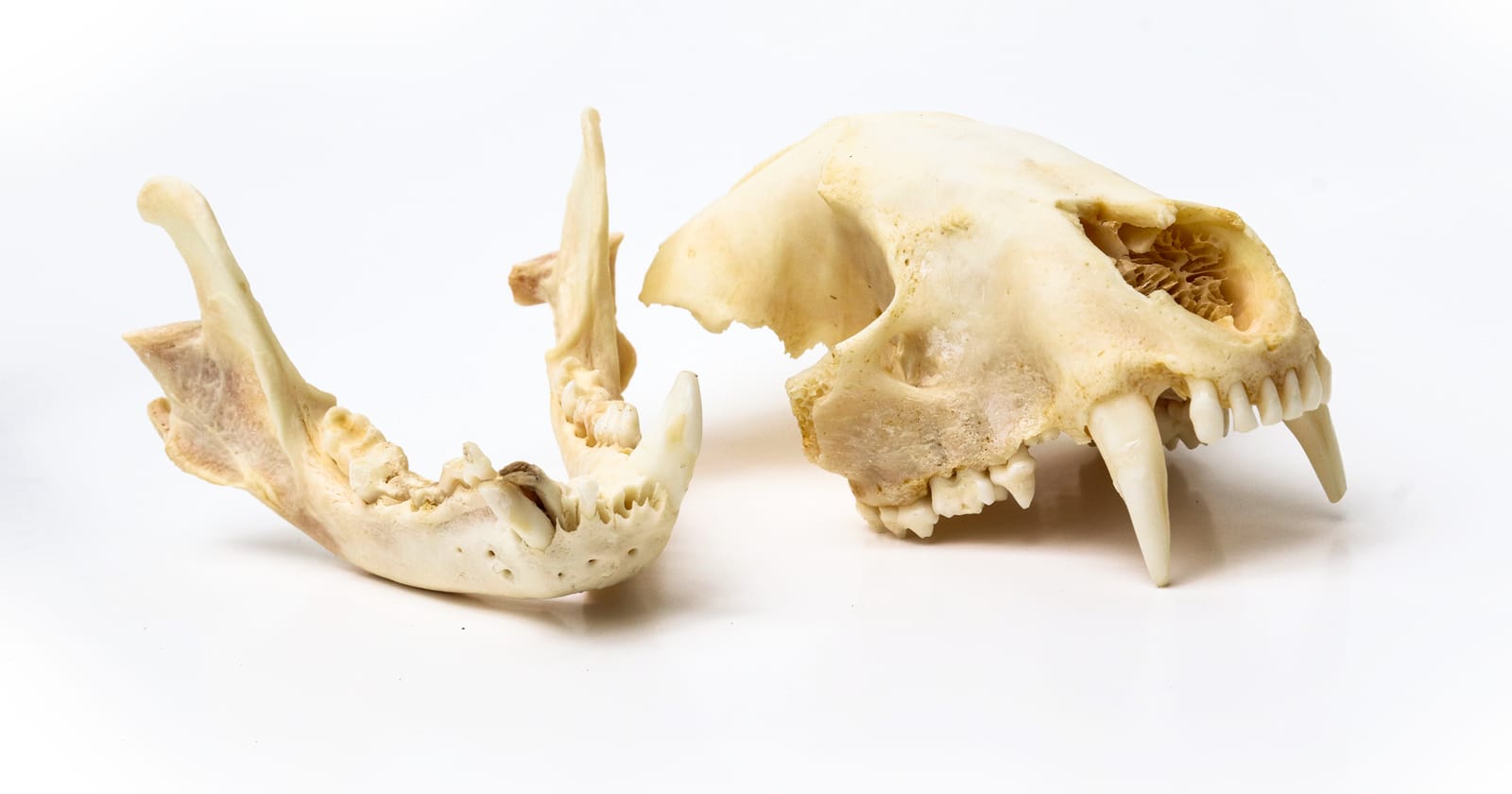
A bone graft dental procedure adds bone or bone-like material to a jaw that has lost density or volume. Tooth extraction, gum disease, and facial injury all cause bone to shrink over time. Grafting restores that lost structure so a dental implant has a solid base to anchor into.
Bone loss happens faster than most people expect. Within the first year after a tooth is removed, the surrounding jaw can lose up to 25 percent of its width. That shrinkage makes implant placement difficult or impossible without first rebuilding the site. A graft stops that process and gives the bone a scaffold to grow back into.
At Laguna Surgical, our board-certified oral surgeons evaluate every patient with 3D cone-beam imaging before recommending a graft. That imaging shows exactly where bone is deficient, which graft material fits the case, and whether a sinus lift or ridge augmentation is needed alongside the graft. The result is a treatment plan built around your anatomy, not a one-size approach.
Definition A dental bone graft is a surgical procedure that places bone or a bone-substitute material into an area of the jaw that has lost density or volume. The graft acts as a scaffold, stimulating the body to grow new bone cells into the site. Once integrated, the rebuilt jaw can support dental implants or other restorations with long-term stability.
What Is a Bone Graft Dental Procedure?
A dental bone graft is a surgical procedure that adds bone or bone-like material to a weakened or deficient area of the jaw. It restores volume and density lost from tooth extraction, gum disease, or injury, creating a stable foundation for dental implants or other restorations.
Why jawbone loss happens. Bone needs the pressure of a tooth root to stay dense. Once a tooth is gone, that stimulation stops and the jaw resorbs. Periodontal disease accelerates this by destroying the bone that surrounds tooth roots. Trauma, failed implants, and certain medications can also reduce bone volume.
How grafting rebuilds the foundation. The surgeon opens the gum tissue, cleans the deficient site, and packs graft material into the space. A collagen membrane is often placed over the graft to protect it. Over the following months, the body replaces the graft material with new bone cells, restoring the jaw’s original contour and density.
Who needs a dental bone graft? Candidates include patients preparing for implants who lack adequate bone, those who have just had a tooth extracted and want to preserve the socket, and patients with bone loss from advanced gum disease. Your surgeon confirms the need with X-rays or 3D imaging.
Types of Dental Bone Graft Materials We Use
Choosing the right graft material affects how quickly bone integrates and how much new bone forms. Four main categories are used in modern oral surgery.
- Autograft (your own bone): Harvested from your chin, jaw, or hip. Highest integration rate because the cells are already yours. Requires a second surgical site.
- Allograft (donor bone): Processed human bone from a tissue bank. Widely used, no second harvest site, strong clinical track record.
- Xenograft (animal-derived): Typically bovine bone mineral. Provides a durable scaffold that the body gradually replaces with natural bone.
- Alloplast (synthetic): Calcium phosphate or hydroxyapatite materials. Fully biocompatible, no disease-transmission risk, predictable resorption rate.
- Which is right for you? Your surgeon weighs defect size, implant timeline, and your medical history. Larger defects often call for autograft or a combination approach; smaller socket grafts work well with allograft or xenograft.
The Bone Graft Dental Procedure: Step by Step
Consultation and imaging. The process starts with a cone-beam CT scan that maps bone height, width, and density in three dimensions. The surgeon uses that data to select graft material and plan the surgical approach.
The grafting surgery. Most grafts are outpatient procedures done under local anesthesia, with sedation available. The surgeon reflects the gum tissue, prepares the bone surface, places the graft material, covers it with a membrane, and closes the site with sutures. Straightforward cases take 45 to 90 minutes.
Socket preservation. When a tooth is extracted, graft material placed immediately into the socket prevents the walls from collapsing. This is the most common and least complex graft type. We recommend it after almost every extraction. Wisdom teeth are the usual exception, though we still graft a wisdom tooth site when the tooth is impacted against the second molar.
Sinus lift and ridge augmentation. Upper back teeth sit near the sinus floor. When bone there is too thin for implants, a sinus lift raises the sinus membrane and packs bone beneath it. Ridge augmentation rebuilds a jaw ridge that has shrunk in height or width after long-term tooth loss. Both procedures add healing time but are routine at our practice.
Healing & Recovery: What to Expect After a Dental Bone Graft
Most patients recover from initial soreness within one to two weeks. Full bone integration takes three to six months depending on graft size, location, and overall health. Your surgeon confirms readiness for implant placement with follow-up X-rays.
Week-by-week stages. Days 1 to 3 bring the most swelling and discomfort. By week two, soft tissue is largely healed. Months two through six are the silent phase: bone cells are actively growing into the scaffold, but you feel nothing unusual.
Managing discomfort. Prescribed or over-the-counter anti-inflammatories control pain for most patients. Ice packs during the first 48 hours reduce swelling. Soft foods, no smoking, and gentle rinsing protect the site.
Signs of success vs. failure. Healthy integration feels uneventful after the first two weeks. Warning signs include pain that worsens after week two, visible graft material coming out of the site, foul odor, fever, or a loose sensation at the graft. Call the office immediately if any of these appear.
How Much Does a Bone Graft Dental Procedure Cost?
Dental bone graft costs typically range from $300 to $3,000 per site, depending on graft type, procedure complexity, and location. Socket preservation grafts sit at the lower end; sinus lifts and ridge augmentations cost more. Many practices offer financing to spread payments over time.
Factors that affect pricing. Graft material type, defect size, whether sedation is used, and the number of sites treated all influence the final fee. Autografts cost more because they involve a second surgical site. Sinus lifts and ridge augmentations are more complex and priced accordingly.
Insurance and financing. Dental insurance sometimes covers bone grafting when it is medically necessary, particularly after tooth extraction or trauma. Medical insurance may apply when the cause is injury or disease. Laguna Surgical works with major insurers and offers financing plans so cost does not delay treatment.
Cost of waiting. Skipping a socket graft after extraction means more bone loss over time. A larger defect later requires a more complex, more expensive procedure. Treating bone loss early is almost always less costly than correcting advanced resorption.
Why Choose Laguna Surgical for Your Dental Bone Graft?
Laguna Surgical offers board-certified oral surgeons, in-house 3D cone-beam imaging, and a documented record of successful implant-ready grafts. The Mission Viejo office serves patients across Orange County with same-day consultation availability for urgent cases.
Our surgeons are board-certified by the American Board of Oral and Maxillofacial Surgery and have performed hundreds of bone grafting procedures across the full range of complexity, from simple socket preservation to full ridge reconstruction.
Every treatment plan starts with a cone-beam CT scan interpreted in-house. That imaging eliminates guesswork about bone dimensions and lets the surgeon select the right graft volume and material before the first incision.
Patient outcomes are tracked through follow-up imaging at three and six months. When bone density meets the threshold for implant placement, we move forward. When it needs more time, we wait. That discipline is why our implant success rates remain high.
The Mission Viejo office is accessible from throughout Orange County, with ample parking and flexible scheduling including early morning and Saturday appointments.
Ready to Rebuild Your Smile? Schedule Your Bone Graft Consultation
Call Laguna Surgical or use the online booking form to request a consultation. Same-day and emergency appointments are available for patients with acute bone loss or recent extractions who need prompt evaluation.
What to bring to your first appointment. Bring any recent dental X-rays or CT scans, a list of current medications, your insurance card, and a list of questions. If you have records from a previous dentist or specialist, those help the surgeon understand your history before the exam.
The consultation includes a clinical exam, 3D imaging review, and a clear explanation of which graft type fits your case, what the procedure involves, and what the timeline to implant placement looks like. You leave with a written treatment plan and a cost estimate.
Bone loss in the jaw is progressive, but it is also treatable. A well-executed bone graft restores the density needed for implants that last decades. Laguna Surgical’s oral surgeons use 3D imaging and proven graft techniques to give patients in Orange County a clear path from bone loss to a fully restored bite. Call our Mission Viejo office or book online to schedule your consultation.
Frequently Asked Questions
Does a dental bone graft hurt?
The procedure itself is performed under local anesthesia or sedation, so you should feel little to no pain during surgery. Afterward, mild to moderate soreness, swelling, and bruising are normal for several days. Prescribed pain medication and ice packs typically manage discomfort effectively.
How long does a dental bone graft procedure take?
A straightforward socket preservation graft usually takes 30 to 60 minutes. More complex procedures such as sinus lifts or full ridge augmentations can take one to two hours. Your surgeon will give you a precise time estimate after reviewing your imaging.
Can a dental bone graft fail, and what causes it?
Yes, bone grafts can fail, though it is uncommon with an experienced surgeon. Common causes include infection, smoking, uncontrolled diabetes, poor blood supply, or patient non-compliance with post-operative care. Early detection and prompt treatment can sometimes allow a repeat graft.
Is a bone graft always needed after a tooth extraction?
At Laguna Surgical we recommend socket preservation grafting after almost every tooth extraction. The main exception is wisdom teeth, which usually do not need a graft. One case where we do graft a wisdom tooth site is when the tooth is impacted against the second molar, since bone loss there can weaken the neighboring tooth. Grafting keeps the jawbone from shrinking after extraction, which protects the site for a dental implant later.
Will my insurance cover a dental bone graft?
Coverage varies widely. Some dental insurance plans cover a portion of bone grafting when it is deemed medically necessary, such as after tooth extraction or to treat bone loss from periodontal disease. Cosmetic-only grafts are typically not covered. Always verify benefits with your insurer before treatment.
How do I know if I need a bone graft before getting dental implants?
Your oral surgeon will take 3D cone-beam CT scans to measure jawbone height, width, and density. If the bone volume falls below the minimum threshold needed to stabilize an implant, a bone graft will be recommended before or at the time of implant placement.
Have questions about your care?
Our oral & maxillofacial team serves Mission Viejo and Covina.
Request an Appointment