
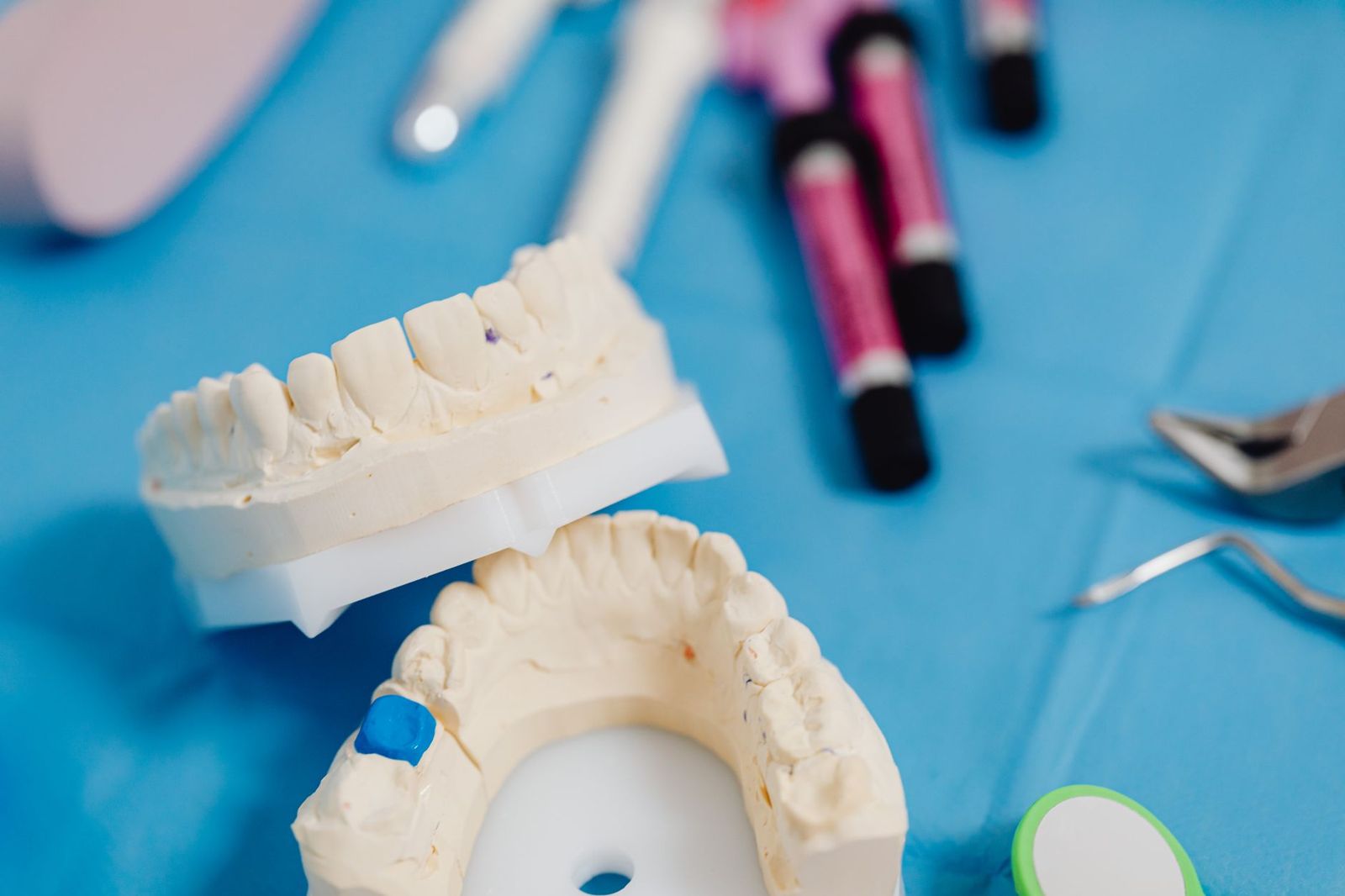
Full Mouth Dental Implants in Mission Viejo
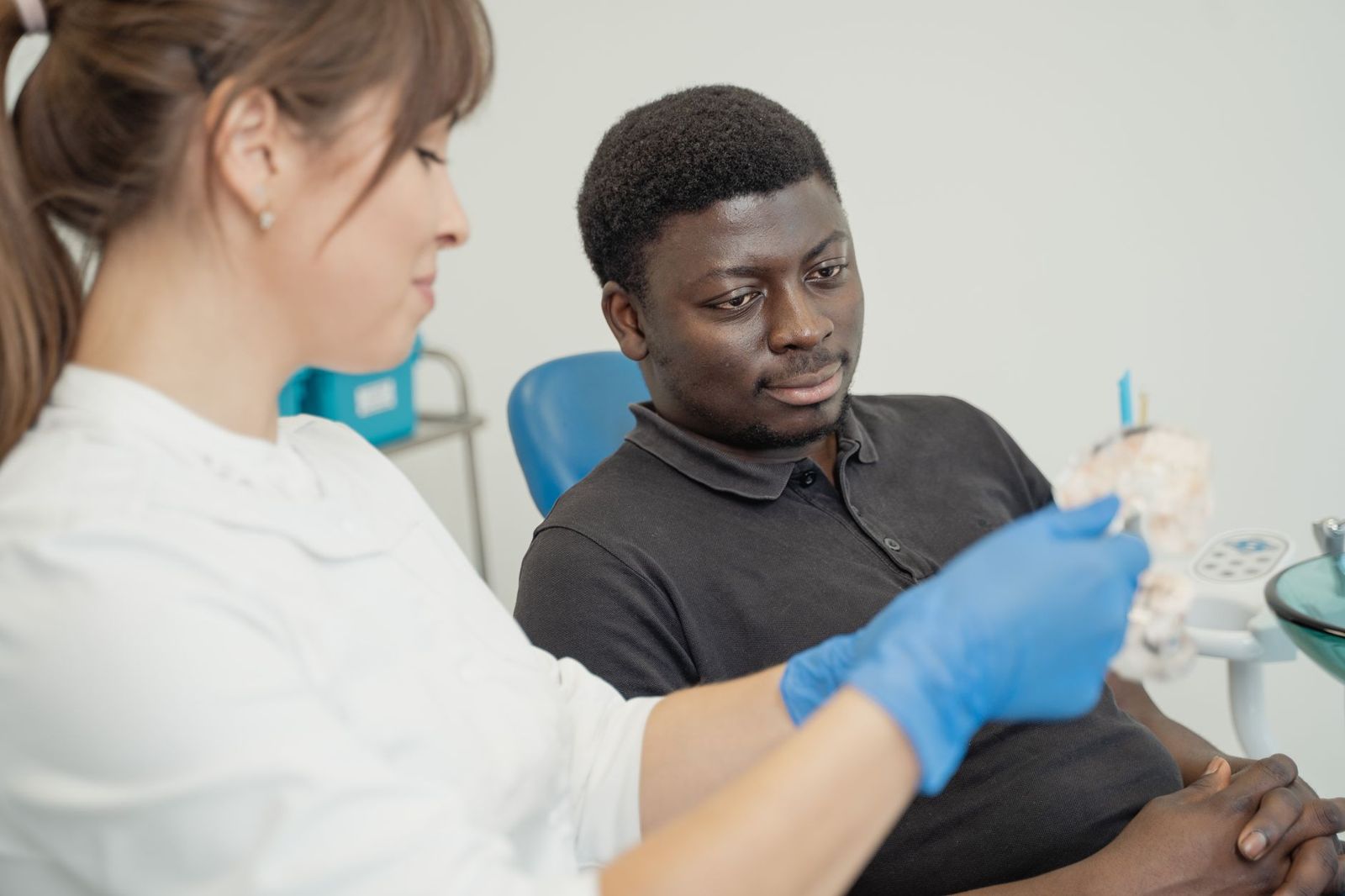
Full mouth dental implants replace an entire upper or lower arch of missing or failing teeth with a fixed set of teeth anchored to a few implants in the jaw. The technique is often called All-on-X, which covers All-on-4 and All-on-6. Dr. Arthur Johnson, a board-certified oral and maxillofacial surgeon, plans and places full arch implants at our Mission Viejo office for patients from Laguna Hills, Laguna Niguel, and across Orange County.
Full mouth dental implants, also called full arch, whole mouth, or entire mouth implants, restore a complete set of teeth in one or both jaws. Instead of a denture that rests on the gums, the new teeth attach to implants anchored in the bone, so they stay in place while you eat and speak.
The implants also help slow the bone loss that follows losing teeth. Depending on your bone and your goals, the surgeon may recommend All-on-4, All-on-6, an implant-supported denture that snaps in, or individual implants.
All-on-X: All-on-4 and All-on-6
All-on-X is the current name for full arch techniques that hold a fixed set of teeth on a small number of implants. All-on-4 uses four implants, angled to make the most of the bone you already have. All-on-6 uses six implants for added support in some cases.
In many cases the surgeon can place the implants and attach a temporary fixed set of teeth the same day. After the implants heal and bond with the bone over several months, the final set of teeth is made and fitted.
Are you a candidate?
Good candidates have most or all of the teeth in an arch missing or failing, enough jawbone to hold implants or the option to rebuild it with a bone graft, and reasonable general health. The only way to know for sure is a consultation.
A Cone Beam CT scan at our Mission Viejo office maps your bone and the nerve pathways. That lets the surgeon plan implant positions and tell you whether a bone graft is needed first.
Snap-in implant dentures vs a fixed full arch
An implant-supported denture snaps onto two to four implants and comes out for cleaning. It is much more stable than a standard denture and costs less than a fixed arch. A fixed All-on-X arch is attached to the implants and is removed only by your dental team for maintenance.
At your consultation the surgeon compares both options against your bone and your budget so you can choose with the full picture.
What full mouth dental implants cost
The cost depends on how many arches are treated, the number of implants, whether bone grafting is needed, and the materials used for the final teeth. Because those factors vary, the price is quoted after your consultation and scan rather than as a single figure.
The surgeon reviews the full cost with you and explains the financing options available. Our Mission Viejo office accepts many PPO dental plans and Denti-Cal. We do not accept HMO plans.
Recovery and results
Most patients return to routine activity within a few days and follow a soft-food diet while the implants heal. Once the final teeth are placed, you care for them much like natural teeth, with brushing, cleaning, and regular check-ups.
The implants are meant to be a long-term foundation. The teeth attached to them may need maintenance or replacement over time.
Full mouth implant options we offer
- All-on-4: a full fixed arch supported by four implants
- All-on-6: a full fixed arch supported by six implants for added support
- Implant-supported denture: a removable full arch that snaps onto implants
- Individual implants: a separate implant for each tooth being replaced
Frequently Asked Questions
What is the difference between All-on-4, All-on-X, and full mouth dental implants?
All-on-X is the current name for full arch techniques that support a fixed set of teeth on a small number of implants, such as All-on-4 or All-on-6. Full mouth dental implants is the broader term, which also includes implant-supported dentures and individual implants.
Can I get teeth the same day?
In many cases, yes. The surgeon can often place the implants and attach a temporary fixed set of teeth on the day of surgery. The final set is made and fitted after the implants heal, usually over several months.
Do I need a bone graft first?
Not always. Patients with enough jawbone can go straight to implant placement. Those with significant bone loss may need a bone graft first. A Cone Beam CT scan at your consultation shows which applies to you.
How much do full mouth dental implants cost?
The cost depends on the number of arches and implants, whether bone grafting is needed, and the final materials. You receive a full quote after your consultation and scan, along with the financing options available.
Where can I get full mouth dental implants near me?
If you live in south Orange County, our office is at 25982 Pala Ste 120, Mission Viejo, CA 92691, close to Laguna Hills, Laguna Niguel, and Lake Forest. Your consultation includes a Cone Beam CT scan in the office. Call (949) 347-9990 to book a consultation.