
Oral Surgery
Bone Graft for Dental Implants: What You Need to Know
By Dr. Arthur Johnson, DDS, MD · · 8 min read
Medically reviewed by Dr. Arthur Johnson, DDS, MD
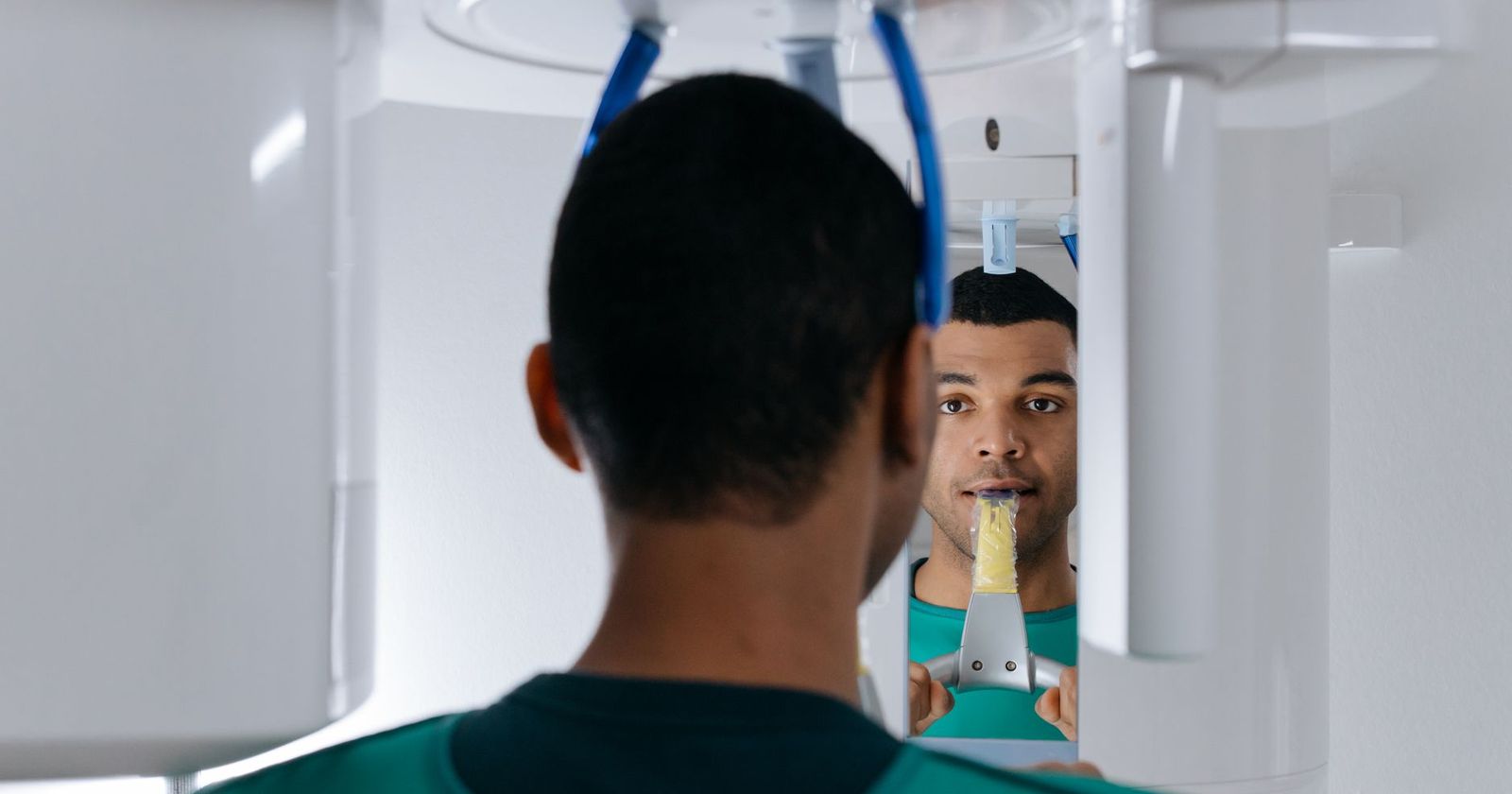
A bone graft for dental implants rebuilds lost jawbone volume so a titanium implant post has a stable foundation to fuse with. Graft material, from your own body, a donor, or a synthetic source, is placed at the implant site and integrates with your natural bone over several months. Without adequate bone, an implant cannot anchor properly and is likely to fail.
Bone loss happens faster than most patients expect. After a tooth is removed, the surrounding jawbone begins to shrink within weeks. Gum disease and trauma accelerate that process. By the time someone decides to pursue an implant, the bone may already be too thin or too shallow to support one without preparation. That is why grafting is often the first step, not an optional add-on.
At Laguna Surgical, we evaluate every patient’s bone volume before recommending a treatment plan. We also routinely place a bone graft at the time of tooth extraction, except for standard wisdom teeth, to preserve the ridge and keep future implant placement straightforward. This proactive approach saves patients time, additional procedures, and cost down the road.
Definition A bone graft for dental implants is a surgical procedure that adds bone or bone-like material to a deficient area of the jaw. The graft stimulates the body to grow new bone cells, restoring the height and width needed to anchor a titanium implant post securely. The process is well established and uses the same class of biocompatible materials found in orthopedic procedures like total knee replacements.
What Is a Bone Graft for Dental Implants?
A bone graft for dental implants places bone or bone-substitute material at a site where the jaw lacks the volume to support an implant. Over several months, the graft fuses with your existing bone, creating a dense, stable base. The procedure is routine and uses biocompatible materials proven safe in orthopedic surgery.
The graft material acts as a scaffold. Your body’s own bone-forming cells migrate into it, gradually replacing the graft with living bone. Once that integration is complete, the site can support the load a dental implant places on the jaw during chewing. The timeline and complexity depend on how much bone needs to be rebuilt and where in the jaw the deficiency exists.
Do You Need a Bone Graft Before Getting Implants?
Patients with significant bone loss from tooth loss, gum disease, or trauma typically need a bone graft before implant placement. If your jaw has adequate height and width, you may not need one. A cone-beam CT scan gives us the precise measurements to make that determination at your consultation.
Many patients are surprised to learn they need grafting even when they feel no pain or notice no visible change in their jaw. Bone resorption is silent. A scan often reveals more loss than expected, especially when a tooth has been missing for a year or more.
Why We Recommend Bone Grafting After Tooth Extraction
We recommend placing a socket graft at the time of every tooth extraction, with the exception of standard wisdom teeth. In cases where a wisdom tooth is impacted near the second molar, we may recommend grafting there as well. Acting at the moment of extraction preserves the ridge before resorption begins, which keeps your options open for an implant later and often reduces the scope of any future grafting needed.
Types of Bone Graft Materials We Use
We select graft material based on the size of the defect, the patient’s health history, and the planned implant site. Each material has a proven track record in oral and maxillofacial surgery.
- Autograft: Bone taken from your own body (chin, jaw, or hip). Highest biological activity, but requires a second surgical site.
- Allograft: Processed bone from a human donor bank. Widely used, eliminates a second harvest site, and integrates reliably.
- Xenograft: Bovine (cow) or porcine (pig) bone mineral, processed to remove organic components. Excellent scaffold for new bone growth.
- Alloplast: Fully synthetic materials such as hydroxyapatite or calcium phosphate. Good option for patients who prefer non-animal sources.
What to Expect: Procedure, Healing & Recovery
Most dental bone grafts require three to six months of healing before an implant can be placed. Minor socket grafts after extraction may heal faster. Larger ridge augmentations take longer. The procedure itself is performed under local anesthesia or sedation, so you feel little to no discomfort during surgery.
The surgical appointment typically takes 30 to 90 minutes depending on the extent of grafting. After the graft material is placed, the site is covered with a membrane and sutured closed. Mild soreness and swelling for three to five days afterward are normal and manageable with prescribed or over-the-counter pain relief. Most patients return to normal activity within a few days. We schedule follow-up imaging to confirm the graft is integrating before scheduling implant placement.
Cost of Bone Grafting for Dental Implants
Bone graft costs vary based on the type of material used, the size of the area being treated, and whether the graft is placed at the time of extraction or as a separate procedure. A small socket graft costs less than a full ridge augmentation. We provide a detailed treatment plan with itemized fees at your consultation so there are no surprises. Some dental insurance plans cover a portion of grafting when it is documented as medically necessary. Our team can help you review your benefits and discuss financing options if needed.
Why Choose Laguna Surgical for Your Bone Graft?
Laguna Surgical performs bone grafting as a core part of implant care, not as a referral afterthought. Our surgeons have placed hundreds of grafts and work with the full range of graft materials to match each patient’s anatomy and goals. You get surgical expertise and implant planning under one roof.
We use cone-beam CT imaging to plan every case precisely, which reduces guesswork and improves outcomes. Our proactive extraction-site grafting protocol means patients who lose a tooth today are already set up for a successful implant when they are ready. We also place All-on-X restorations (the current term for full-arch implant solutions previously called All-on-4, All-on-5, or All-on-6), and bone grafting is often part of preparing patients for those cases as well. If you have questions about whether an implant or a bridge is the right choice for your situation, we walk through both options honestly at your consultation.
Bone grafting is a well-established, predictable procedure that makes dental implants possible for patients who would otherwise not qualify. Whether you need a small socket graft after an extraction or a more involved ridge augmentation, Laguna Surgical has the surgical experience and imaging technology to plan and perform your care accurately. Call our office to schedule a consultation and find out exactly what your jaw needs to support a long-lasting implant.
Frequently Asked Questions
How much does a bone graft for dental implants cost?
Cost depends on the graft type, material source, and the size of the area being treated. A single socket graft placed at extraction is less expensive than a staged ridge augmentation. We provide itemized pricing at your consultation and can help you review insurance coverage and financing options.
Can I get a dental implant without a bone graft?
Yes, if your jawbone has sufficient height, width, and density. A cone-beam CT scan at your consultation gives us the measurements to determine whether grafting is necessary. Patients who had a socket graft placed at the time of extraction often have enough bone to proceed directly to implant placement.
Do you always recommend a bone graft after tooth extraction?
We recommend a socket graft after every tooth extraction except standard wisdom teeth. If a wisdom tooth is impacted close to the second molar, we may recommend grafting in that case as well. Acting at the time of extraction preserves bone volume before resorption begins.
What bone graft materials do you use?
We use autografts (your own bone), allografts (donor bone), xenografts (bovine or porcine mineral), and synthetic alloplasts. The choice depends on the defect size, your health history, and your preferences. We explain the options and our recommendation at your consultation.
How do I know if my dental bone graft has failed?
Signs of graft failure include persistent pain beyond the normal recovery window, swelling that worsens after the first week, visible graft material coming loose, or infection at the site. If you notice any of these, contact our office promptly. We monitor healing with follow-up imaging to catch problems early.
Is the titanium used in dental implants safe?
Yes. Titanium has been used safely in the body for decades. The same class of material is used in orthopedic implants such as total knee and hip replacements. It is biocompatible, does not corrode in the body, and integrates with bone reliably. Titanium allergy is extremely rare and can be screened for if you have concerns.
Related
Frequently Asked Questions
How much does a bone graft for dental implants cost?
Cost depends on the graft type, material source, and the size of the area being treated. A single socket graft placed at extraction is less expensive than a staged ridge augmentation. We provide itemized pricing at your consultation and can help you review insurance coverage and financing options.
Can I get a dental implant without a bone graft?
Yes, if your jawbone has sufficient height, width, and density. A cone-beam CT scan at your consultation gives us the measurements to determine whether grafting is necessary. Patients who had a socket graft placed at the time of extraction often have enough bone to proceed directly to implant placement.
Do you always recommend a bone graft after tooth extraction?
We recommend a socket graft after every tooth extraction except standard wisdom teeth. If a wisdom tooth is impacted close to the second molar, we may recommend grafting in that case as well. Acting at the time of extraction preserves bone volume before resorption begins.
What bone graft materials do you use?
We use autografts (your own bone), allografts (donor bone), xenografts (bovine or porcine mineral), and synthetic alloplasts. The choice depends on the defect size, your health history, and your preferences. We explain the options and our recommendation at your consultation.
How do I know if my dental bone graft has failed?
Signs of graft failure include persistent pain beyond the normal recovery window, swelling that worsens after the first week, visible graft material coming loose, or infection at the site. If you notice any of these, contact our office promptly. We monitor healing with follow-up imaging to catch problems early.
Is the titanium used in dental implants safe?
Yes. Titanium has been used safely in the body for decades. The same class of material is used in orthopedic implants such as total knee and hip replacements. It is biocompatible, does not corrode in the body, and integrates with bone reliably. Titanium allergy is extremely rare and can be screened for if you have concerns.
Have questions about your care?
Our oral & maxillofacial team serves Mission Viejo and Covina.
Request an Appointment