
Restorative
Dental Bridges vs Dental Implants: Which Is Right for You?
By Dr. Arthur Johnson, DDS, MD · · 7 min read
Medically reviewed by Dr. Arthur Johnson, DDS, MD
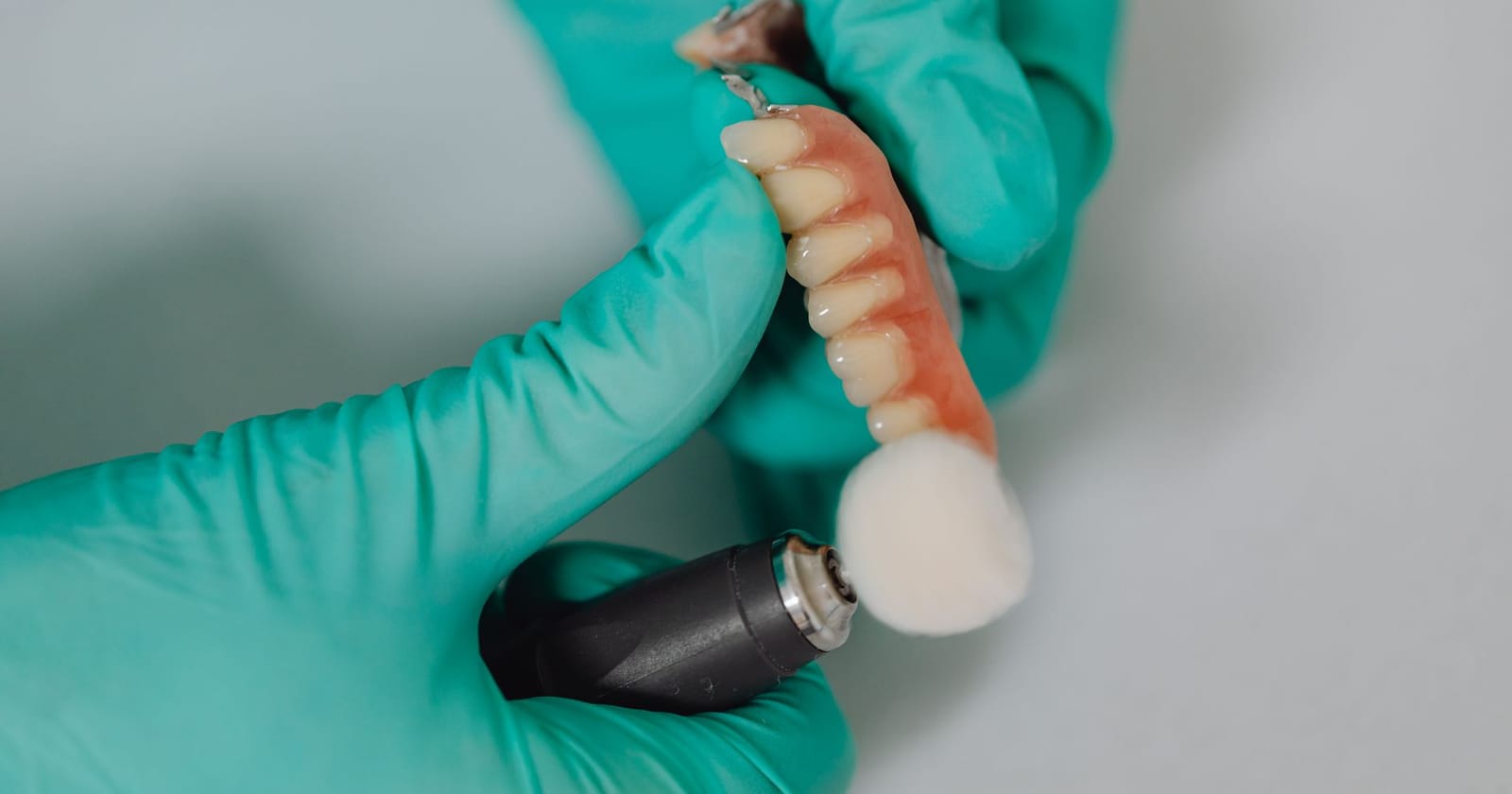
A dental bridge uses crowns on adjacent teeth to hold an artificial tooth in place. A dental implant is a titanium post placed directly in the jawbone, topped with a crown. Implants stand alone and preserve bone; bridges are faster and less invasive but depend on neighboring teeth for support. The right choice depends on your bone health, budget, and timeline.
Both options can restore your smile and chewing function, but they work differently and carry different long-term consequences. Bridges have been the standard for decades and remain a practical choice for many patients. Implants have become the preferred solution when bone volume and overall health allow, largely because they behave more like natural teeth and rarely need replacement.
At Laguna Surgical, we evaluate each patient individually. There is no single correct answer for everyone. This guide covers longevity, cost, bone health, and candidacy so you can walk into a consultation already informed.
Definition Dental bridges vs dental implants refers to the two primary fixed options for replacing one or more missing teeth. A bridge is a prosthetic anchored to crowned natural teeth on either side of the gap. An implant is a surgically placed titanium root that fuses with the jawbone and supports a standalone crown. Each approach has distinct clinical indications, costs, and long-term outcomes.
Dental Bridges vs Dental Implants: A Quick Overview
A dental bridge spans a gap by crowning the two teeth on either side (called abutment teeth) and suspending a false tooth between them. The procedure typically takes two appointments and requires no surgery. The abutment teeth must be filed down to accept the crowns, which is permanent and irreversible.
A dental implant replaces the tooth root with a titanium post that is surgically inserted into the jawbone. After a healing period of three to six months, a custom crown is attached. The adjacent teeth are left completely untouched.
| Feature | Dental Bridge | Dental Implant |
|---|---|---|
| Surgery required | No | Yes |
| Adjacent teeth affected | Yes, permanently altered | No |
| Bone preservation | No | Yes |
| Typical lifespan | 10-15 years | 25 years to lifetime |
| Average cost (single tooth) | $2,500-$6,000 (3-unit) | $3,000-$5,000 |
Which Option Lasts Longer: Bridges or Implants?
Dental implants last significantly longer. Bridges typically need replacement after 10-15 years. Implants, with consistent oral hygiene and routine checkups, can last 25 years or a lifetime. The implant post itself rarely fails; the crown on top may need replacement after 15-20 years of normal wear.
Dental bridges depend on the health of the abutment teeth. Decay, gum disease, or fracture in either supporting tooth can compromise the entire bridge. Most bridges require replacement at least once over a patient’s lifetime, sometimes more.
Dental implants fuse with the jawbone through a process called osseointegration. Once integrated, the post is essentially permanent. Implant failure rates are low, around 5-10% over 10 years, and most failures occur in the first year. Smoking, uncontrolled diabetes, and poor oral hygiene are the main factors that shorten implant lifespan.
For a 40-year-old patient, a bridge may need two replacements before age 70. An implant placed at the same age may never need replacement.
Cost Comparison: Dental Bridges vs Dental Implants
A single dental implant (post, abutment, and crown) typically costs $3,000-$5,000. A three-unit bridge averages $2,500-$6,000 depending on materials and location. Bridges look cheaper upfront, but that comparison ignores replacement costs and the risk of losing the abutment teeth over time.
Over 20 years, a patient who replaces a bridge twice may spend more than the cost of a single implant placed at the outset. Bone grafts, if needed before implant placement, add $500-$3,000 to the total.
Insurance: Most dental plans cover a portion of bridges under major restorative benefits, typically 50% after the deductible. Implants are frequently excluded or covered only partially. Financing plans and FSA/HSA funds can offset out-of-pocket costs for either option. Ask our front desk about current financing options at Laguna Surgical.
Pros and Cons of Dental Bridges
Advantages: Bridges require no surgery, heal quickly (days rather than months), and cost less upfront. They are a reliable option when adjacent teeth already need crowns, when bone volume is insufficient for an implant, or when a patient needs a faster solution.
Disadvantages: Filing down healthy abutment teeth is irreversible and increases their long-term fracture risk. Bridges do not stimulate the jawbone, so bone loss under the false tooth continues over time. Cleaning requires a floss threader or water flosser to reach under the bridge, and decay at the margins is a common reason for failure.
Best candidates: Patients with healthy abutment teeth that already need crowns, those with insufficient bone for implants, patients on a tighter budget, or anyone who cannot undergo surgery due to medical conditions.
Pros and Cons of Dental Implants
Advantages: Implants preserve jawbone, leave adjacent teeth untouched, and function like natural teeth. They are easier to clean (brush and floss normally), carry the highest long-term success rates of any tooth replacement option, and rarely need full replacement.
Disadvantages: The process takes three to nine months from surgery to final crown. It requires adequate bone volume and good systemic health. Upfront cost is higher, and surgery carries the standard risks of any oral procedure: infection, nerve proximity, and implant failure in a small percentage of cases.
Best candidates: Adults with sufficient jawbone density, non-smokers or those willing to quit, patients with controlled systemic conditions, and anyone prioritizing a long-term solution over a faster or cheaper short-term fix.
How Do Dental Implants and Bridges Affect Jawbone Health?
Implants preserve jawbone by mimicking a natural tooth root and stimulating bone through chewing forces. Bridges do not. Without a root in the socket, the bone beneath a bridge gradually resorbs, which can change facial contours over years and complicate future implant placement.
Bone loss under a bridge is slow but consistent, typically 25% of width in the first year after tooth loss and continuing at a slower rate afterward. Over a decade, this can create a visible indentation in the gum line beneath the bridge and may make the area unsuitable for an implant later without a bone graft.
Implants transmit chewing forces directly into the bone, which signals the body to maintain bone density in that area. This is the same mechanism that keeps natural teeth stable.
Bone grafts: If a patient has worn a bridge for several years and wants to switch to an implant, a bone graft is often necessary. Grafts add cost and extend the treatment timeline by three to six months, but they are routine procedures with high success rates.
Why Choose Laguna Surgical for Your Tooth Replacement?
Laguna Surgical offers both implant placement and restorative dentistry under one roof, which means fewer referrals, coordinated care, and a treatment plan built around your specific anatomy and goals rather than a one-size approach.
Our surgical team has placed hundreds of implants and works directly with restorative providers to ensure the crown fits precisely and the implant is positioned for long-term success. We use cone-beam CT imaging to assess bone volume before any treatment recommendation, so you get an honest picture of your options from the first appointment.
Every patient receives a written treatment plan with itemized costs before any procedure begins. If a bone graft is needed, we explain why, show you the imaging, and give you time to decide. We also work with most major dental insurance plans and offer financing through third-party lenders for patients who prefer to spread costs over time.
Call our office or use the online booking tool to schedule a consultation. Bring any recent dental X-rays to save time.
Dental bridges and implants both restore function and appearance, but they differ in longevity, bone health impact, cost over time, and the clinical requirements for placement. Implants are the better long-term investment for most patients who qualify. Bridges remain a practical, proven option when surgery is not possible or when speed and upfront cost are the priority. The best way to know which fits your situation is a thorough clinical evaluation with imaging. Contact Laguna Surgical to schedule your consultation and get a clear, honest recommendation based on your anatomy and goals.
Frequently Asked Questions
Is it painful to get a dental implant compared to a bridge?
Both procedures are performed under local anesthesia, so discomfort during treatment is minimal. Implant surgery involves a healing period of several months and may cause temporary soreness, while a bridge procedure is completed in fewer visits with less post-treatment discomfort. Most patients find both manageable.
Do dental bridges or implants look more natural?
Both can look very natural, but dental implants tend to blend more seamlessly with surrounding teeth because they emerge from the gumline like a real tooth root. Bridges can also look excellent but may show a slight gap at the gumline over time as bone recedes.
Will insurance cover dental bridges or dental implants?
Dental insurance often covers a portion of bridge costs since they are considered a restorative procedure. Implants are frequently classified as elective and may have limited or no coverage. Check with your provider and ask our team about financing options to make either treatment affordable.
How do I care for a dental bridge versus a dental implant?
Bridges require flossing under the artificial tooth using a floss threader or water flosser, plus regular brushing. Implants are cared for just like natural teeth, standard brushing and flossing, making them easier to maintain long-term. Both require routine dental check-ups.
Can a dental bridge be converted to an implant later?
Yes, in many cases a bridge can be removed and replaced with an implant. However, the teeth that were crowned for the bridge will still need crowns. If bone loss occurred beneath the bridge, a bone graft may be required before implant placement is possible.
How long does the dental implant process take compared to a bridge?
A dental bridge is typically completed in 2-3 visits over 2-4 weeks. A dental implant process takes 3-6 months or longer, including surgery, osseointegration (bone fusion), and crown placement. Patients who need a bone graft may require additional healing time before implant surgery.
Is titanium safe to use for dental implants?
Yes. Titanium is one of the most biocompatible materials in medicine and has been used for decades in orthopedic procedures such as total knee and hip replacements. The body tolerates it well, and the implant post fuses directly with the bone through osseointegration. Allergic reactions are very rare.
Have questions about your care?
Our oral & maxillofacial team serves Mission Viejo and Covina.
Request an Appointment