
E-Scooter and E-Bike Mouth Injuries: A Parent's Guide
By Dr. Arthur Johnson, D.D.S., M.D. · · 6 min read
Medically reviewed by Dr. Arthur Johnson, DDS, MD
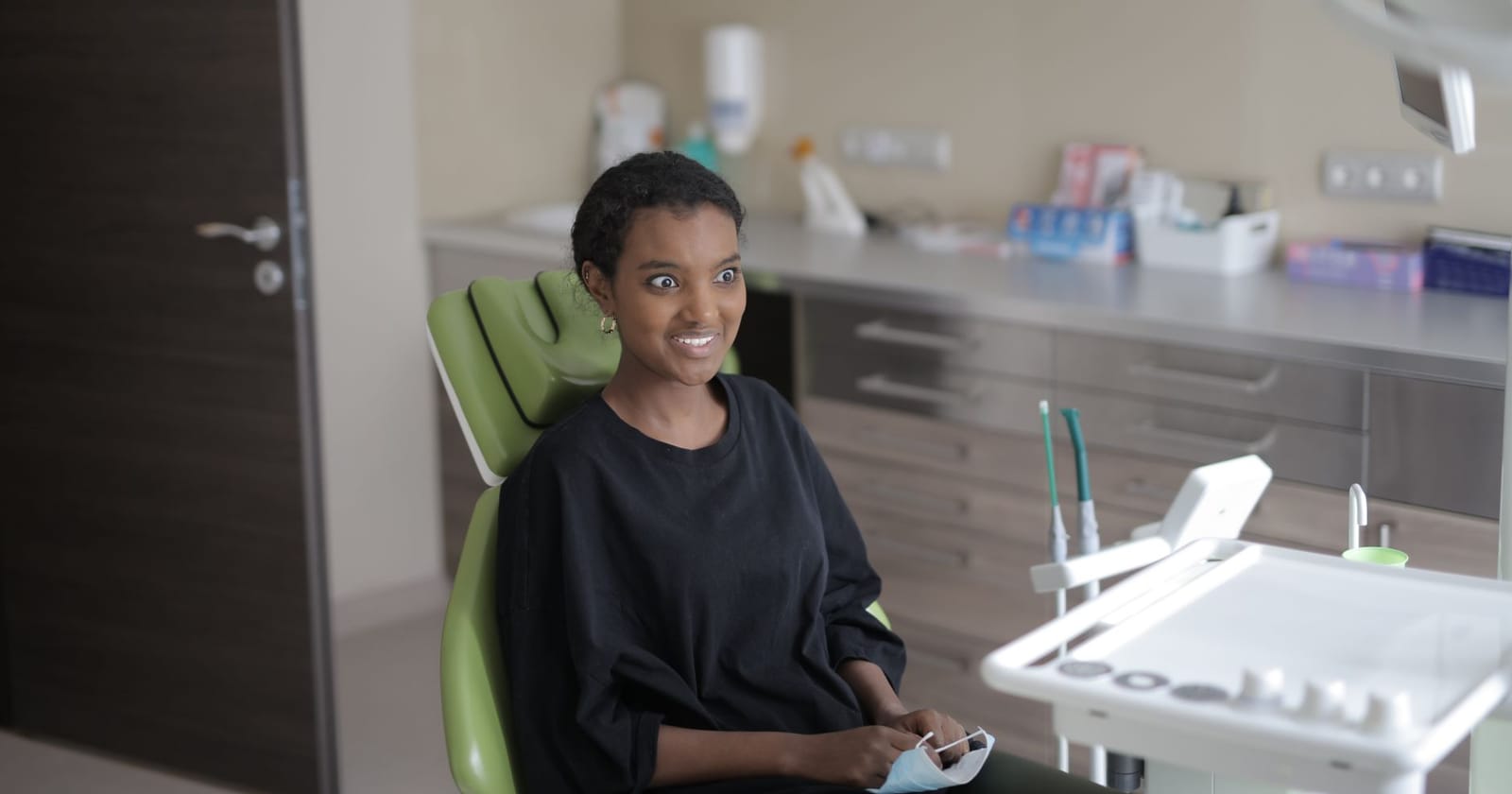
E-scooter and e-bike mouth and teeth injuries are more common than most parents expect. A study published in JAMA Surgery found that e-scooter injuries rose 222% between 2014 and 2018. When a child goes over the handlebars, the face and mouth hit first. This guide covers what to do in the first hour after a crash, which injuries need an oral surgeon, and how to reduce the risk before your child ever rides. The advice applies to kids and teens riding in Mission Viejo, Laguna Hills, Lake Forest, Aliso Viejo, and Laguna Niguel, where e-scooters and e-bikes are now a daily sight on bike paths and neighborhood streets.
Why E-Scooters and E-Bikes Are Hard on Kids’ Mouths and Teeth
E-scooters and e-bikes travel faster than traditional bikes, riders rarely wear full-face helmets, and the handlebars sit at face height. When a crash happens, the mouth and teeth absorb a large share of the impact. That combination makes dental and facial injuries more likely than in a standard bicycle fall.
What the research says
Research published in JAMA Surgery found that e-scooter injuries rose 222% from 2014 to 2018. Riders often skip helmets entirely, and higher speeds multiply the force of any fall.
Why teens and young adults get hurt most
Teens and young adults are the heaviest users of shared and personal e-scooters and e-bikes. They are more likely to ride in traffic, carry a second rider, and use a phone while riding. A second rider shifts the center of gravity and makes sudden stops far more dangerous. Younger children on e-bikes face a different problem: the bike is often heavier than they can control at speed.
What to Do in the First Hour If Your Child Hurts Their Mouth
Check for a head injury before anything else. If your child is alert and stable, look at the teeth and mouth. A knocked-out permanent tooth needs to be back in a socket or in milk within an hour. A knocked-out baby tooth should not be replanted. Chips and cuts need a same-day dental or oral surgery visit.
Check for a head injury first
Go to the ER or call 911 if your child lost consciousness, is confused or vomiting, has bleeding that will not stop, or cannot open and close their mouth normally. Inability to open or close the mouth can be a sign of a serious jaw injury and should be treated as an emergency. Once the ER clears them, an oral surgeon can assess the teeth, gums, and jaw.
If a permanent (adult) tooth is knocked out
Pick the tooth up by the white crown, not the root. Rinse it briefly under clean water if it is dirty. Do not scrub it. Place it in a cup of cold milk or, if milk is not available, between your child’s cheek and gum only if your child is old enough, conscious, and able to hold it safely without swallowing it. Handle the tooth as little as possible and never scrub or touch the root, as improper handling can damage the root surface cells needed for the tooth to reattach. If you are unsure whether the cheek-and-gum method is safe for your child, ask a clinician before using it. Do not use the cheek-and-gum method for very young children or any child who is not fully alert, as there is a risk of choking. Get to a dentist or oral surgeon within 60 minutes. Every extra minute outside the socket reduces the chance of saving the tooth.
If a baby tooth is knocked out
Do not try to put a baby tooth back in. Replanting a baby tooth risks damaging the permanent tooth forming beneath it. Call your child’s dentist to confirm which tooth it is and to schedule a check of the surrounding teeth and bone.
Chipped teeth, cut lips and bleeding gums
Apply gentle pressure to bleeding soft tissue with a clean cloth. Rinse the mouth with cool water. Even a small chip can sometimes expose the nerve. Contact a dentist or oral surgeon the same day so they can assess the injury and advise on next steps.
When to Call an Oral Surgeon
Call an oral surgeon when a permanent tooth is knocked out or badly fractured, when a tooth is pushed sideways or driven into the gum, when the jaw feels off or will not open and close normally, or when soft tissue injuries are deep. An oral surgeon can also evaluate bone damage that a general dentist cannot treat. If you are in Orange County and are not sure whether your child’s injury needs an oral surgeon, call the office. We can review the situation and tell you whether to come in the same day or coordinate with your general dentist.
How to Help Your Kids Ride Safely
The most effective steps are a full-face or chin-bar helmet, a strict one-rider rule, no phone use while riding, and daylight-only riding until your child is experienced. A small mouth first-aid kit in their bag covers the first minutes after a crash if you are not there.
Pick a helmet that protects the face and chin
A standard bicycle helmet leaves the face and chin completely exposed. For e-bikes and e-scooters, look for a helmet with a chin bar, rated at least to CPSC bicycle standards and ideally to ASTM F1952 or NTA 8776 (the Dutch e-bike standard). A chin bar is the single biggest structural difference between a helmet that protects the mouth and one that does not.
One rider, no phones, and daylight riding
A second rider on an e-scooter or e-bike is the most common setup for a serious crash. Set a firm one-rider rule. Phone use while riding slows reaction time and delays braking. Limit riding to daylight hours until your child has enough experience to handle unexpected stops at speed.
Talk through the rules of the road
Many teens treat e-scooters like toys rather than vehicles. Cover these points before the first ride: yield to pedestrians, stop at intersections, stay in bike lanes where they exist, and never ride against traffic. In California, riders under 18 are required by law to wear a helmet on any motorized scooter.
Pack a small mouth first-aid kit
A kit does not need to be large. The goal is to have what you need in the first ten minutes after a crash.
- A small container with a tight lid (for transporting a knocked-out tooth in milk)
- A single-serving carton of UHT milk or a Save-A-Tooth storage kit
- Two or three gauze pads for bleeding control
- A card with the dentist’s and oral surgeon’s phone numbers
E-scooter and e-bike crashes happen fast and the mouth takes a hard hit. Knowing what to do in the first hour, especially with a knocked-out permanent tooth, makes a real difference in what can be saved. A chin-bar helmet and a one-rider rule cut the risk before a crash ever happens. If your child is hurt and you are in Southern California, call our office. An oral surgeon can check your child’s teeth, gums and jaw and tell you what needs to happen next.
Frequently Asked Questions
How fast do we need to get help after a tooth is knocked out?
Within 60 minutes for a permanent tooth. The cells on the root surface begin to die quickly once the tooth is out of the socket. After 60 minutes, the chances of saving a tooth are generally lower in most cases, though outcomes vary and only a dentist or oral surgeon who examines your child can give you guidance specific to their injury. Keep it in cold milk and go directly to a dentist or oral surgeon.
Should I put a knocked-out baby tooth back in?
No. Replanting a baby tooth can damage the permanent tooth developing underneath it. Call your child's dentist to confirm which tooth was lost and to check the surrounding area for other injuries.
Is a regular bike helmet enough on an e-bike?
A standard bike helmet protects the top and back of the skull but leaves the face and chin exposed. For e-bikes and e-scooters, a helmet with a chin bar provides meaningful protection for the mouth and jaw. Look for ASTM F1952 or NTA 8776 ratings.
How can I tell if my child's jaw might be hurt?
Signs that could indicate a jaw injury include pain when opening or closing the mouth, the teeth not fitting together the way they normally do, swelling along the lower face, or the jaw feeling like it has shifted. These symptoms need professional evaluation. Any of these signs after a crash warrants an ER visit or an urgent call to an oral surgeon.
What should be in a mouth first-aid kit for a teen's backpack?
A small sealed container, a single-serving carton of UHT milk or a Save-A-Tooth kit, two or three gauze pads, and a card with the dentist's and oral surgeon's phone numbers. The milk container is the most important item because it keeps a knocked-out tooth viable while you get to care.
Have questions about your care?
Our oral & maxillofacial team serves Mission Viejo and Covina.
Request an Appointment