
Teeth Removal Wisdom: What You Need to Know
By Dr. Arthur Johnson, DDS, MD · · 6 min read
Medically reviewed by Dr. Arthur Johnson, DDS, MD
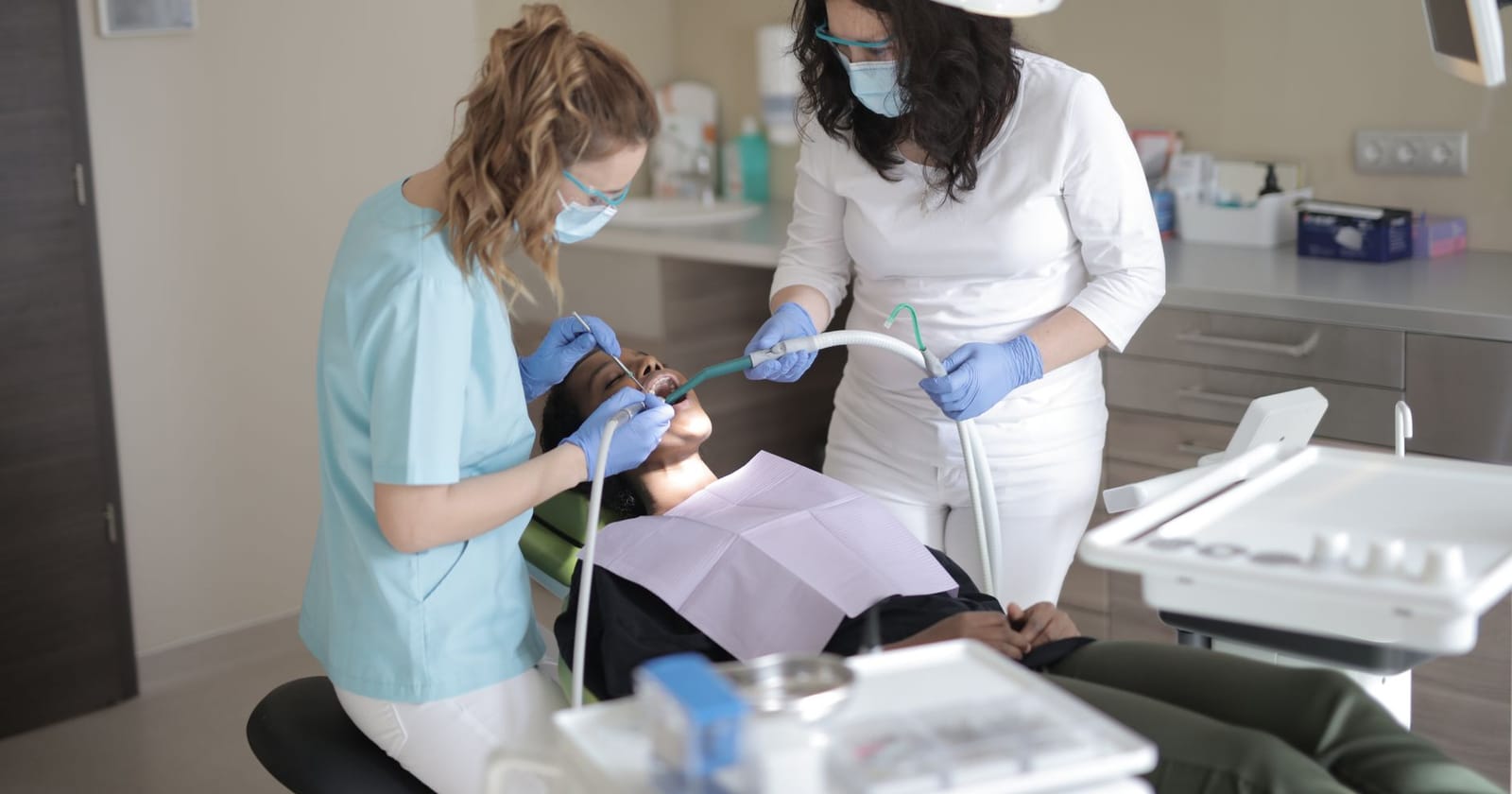
Wisdom teeth removal is a dental procedure to extract one or more third molars, the last teeth to emerge, usually between ages 17 and 25. Extraction is recommended when these teeth are impacted, overcrowded, infected, or causing pain and damage to neighbouring teeth. Not every wisdom tooth needs to come out, but when problems arise, early intervention prevents more serious complications.
Most people develop four wisdom teeth, one in each corner of the mouth. Because the jaw is often too small to accommodate them properly, these teeth frequently become impacted, meaning they are trapped beneath the gum line or grow at an angle that crowds adjacent teeth. Left untreated, impacted wisdom teeth can cause infections, cysts, and damage to the roots of neighbouring molars.
At Laguna Surgical, we assess each patient individually using clinical examination and dental X-rays before recommending extraction. Our goal is to give you clear, honest information so you can make a confident decision about your care.
What Is Wisdom Teeth Removal?
Wisdom teeth removal is a surgical procedure to extract one or more third molars. It is performed when those teeth are impacted, infected, overcrowded, or damaging adjacent teeth. The procedure is carried out under local anaesthesia, sedation, or general anaesthesia depending on complexity and patient preference.
Third molars are the last permanent teeth to develop. When they erupt normally and there is enough room in the jaw, they can function like any other molar. The problem is that most adults do not have sufficient space, so the teeth become partially or fully impacted.
An oral surgeon removes the tooth by making a small incision in the gum, sometimes removing a small amount of bone, and extracting the tooth in sections if needed. The site is then sutured closed. The entire process is straightforward for an experienced surgical team, and most patients are surprised by how manageable it is.
When Do You Actually Need Wisdom Teeth Removed?
Wisdom teeth should be removed when they are impacted, partially erupted, causing crowding, infection, or pain, or threatening the health of adjacent second molars. Not everyone needs removal. A dental X-ray and clinical exam are the only reliable way to determine whether extraction is necessary.
Signs Your Wisdom Teeth Are Causing Problems
Some patients have no symptoms at all, yet X-rays reveal significant impaction. Others experience clear warning signs that extraction cannot wait.
- Persistent pain or pressure at the back of the jaw
- Swollen, red, or bleeding gum tissue around the tooth
- Repeated infections in the gum flap overlying a partially erupted tooth (pericoronitis)
- Crowding or shifting of front teeth
- A cyst or fluid-filled sac forming around the impacted tooth
- Decay or root damage on the adjacent second molar
What Happens During the Extraction Procedure?
The procedure is performed under local anaesthesia, sedation, or general anaesthesia, so patients feel little to no pain during extraction. The surgeon opens the gum tissue, removes any bone blocking access to the tooth, and extracts it, sometimes in sections. The site is sutured and you are monitored briefly before going home.
A straightforward erupted wisdom tooth can be removed in minutes. An impacted tooth that is fully buried or positioned at a difficult angle takes longer, typically 20 to 45 minutes per tooth when all four are removed in one session.
Before the procedure, your surgeon will review your X-rays, discuss anaesthesia options, and explain what to expect. Post-operative instructions are given before you leave, covering diet, oral hygiene, and medication. Having a responsible adult drive you home is required if sedation or general anaesthesia is used.
Do You Need a Bone Graft After Wisdom Teeth Removal?
A bone graft is not routinely required after wisdom teeth removal. At Laguna Surgical, we recommend bone grafting after most tooth extractions to preserve jaw volume, but we make an exception for wisdom teeth unless the tooth is impacted close to the second molar, where protecting bone around that neighbouring tooth matters.
When a wisdom tooth is deeply impacted near the second molar, extraction can leave a bony defect that affects the support structure of the adjacent tooth. In those cases, we may place a bone graft at the time of extraction to maintain bone volume and protect the second molar’s root.
For straightforward wisdom tooth removal where the second molar is not at risk, a graft is generally not indicated. Your surgeon will assess the X-rays and discuss whether grafting is appropriate for your specific situation before the procedure.
Recovery Tips and What to Expect After Removal
Most patients return to light activity within two to three days. Full soft-tissue healing takes about two weeks, though the bone remodels over several months. Swelling peaks at 48 to 72 hours and then gradually subsides.
- Bite gently on gauze for the first hour to control bleeding
- Apply an ice pack to the outside of your jaw for 20 minutes on, 20 minutes off during the first 24 hours
- Eat soft foods such as yoghurt, scrambled eggs, and soup for the first three to five days
- Avoid straws, smoking, and spitting forcefully for at least 72 hours to protect the blood clot
- Rinse gently with warm salt water starting the day after surgery
- Take prescribed or over-the-counter pain relief as directed and finish any antibiotics if prescribed
Why Choose Laguna Surgical for Wisdom Teeth Removal?
Laguna Surgical offers wisdom teeth removal with multiple anaesthesia options, including sedation, performed by an experienced oral surgical team. We assess each case individually, provide clear pre-operative information, and tailor post-operative care to your specific needs.
Our team reviews every patient’s imaging carefully before recommending extraction. We discuss anaesthesia choices openly so you can select the level of comfort that suits you. For patients who are anxious about the procedure, sedation is available and makes the experience significantly more comfortable.
We also consider the full picture of your oral health. If your wisdom tooth is impacted near a second molar, we will discuss whether a bone graft at the time of extraction is in your best interest. Straightforward cases and complex impactions are both handled in our surgical suite, so you do not need a referral elsewhere.
Wisdom teeth removal is one of the most common oral surgical procedures, and for good reason. When third molars are impacted, infected, or threatening neighbouring teeth, extraction is the most reliable way to protect your long-term oral health. If you are experiencing jaw pain, swelling, or have been told your wisdom teeth need attention, contact Laguna Surgical to book a consultation. We will review your X-rays, explain your options clearly, and help you move forward with confidence.
Frequently Asked Questions
Do you have your wisdom teeth?
Not everyone develops wisdom teeth. Some people have all four, others have one to three, and a small percentage never develop any. A dental X-ray (OPG) is the most reliable way to confirm whether your wisdom teeth are present, how they are positioned, and whether they need to be removed.
How long does wisdom teeth removal take?
A straightforward erupted wisdom tooth extraction can take as little as 20-40 minutes. Impacted or surgically complex cases may take longer. Your dentist or oral surgeon will give you a time estimate after reviewing your X-rays at your consultation.
What is the recovery time after wisdom teeth removal?
Most patients feel significantly better within 3-5 days. Full soft-tissue healing typically takes 2-4 weeks, while complete bone healing can take several months. Following post-operative instructions, including soft diet, no smoking, and gentle rinsing, speeds recovery and reduces complication risk.
Can wisdom teeth grow back after removal?
No. Once a wisdom tooth is fully extracted, it cannot grow back. In extremely rare cases a supernumerary (extra) tooth may be present, but regrowth of the removed tooth itself does not occur.
What happens if I don't remove problematic wisdom teeth?
Leaving problematic wisdom teeth untreated can lead to recurring infection, cysts, damage to adjacent second molars, bone loss, and worsening crowding. Early removal is generally safer and involves faster recovery than waiting until complications develop.
Does Laguna Surgical offer sedation for wisdom teeth removal?
Yes. At Laguna Surgical we offer sedation options to ensure your comfort during wisdom teeth removal. Whether you need local anaesthesia for a simple extraction or deeper sedation for a more complex surgical case, our team will discuss the best approach at your consultation.
Have questions about your care?
Our oral & maxillofacial team serves Mission Viejo and Covina.
Request an Appointment