
Restorative
Full Mouth Dental Implant Options: All-on-4, All-on-6, and More
By Dr. Arthur Johnson, DDS, MD · · 9 min read
Medically reviewed by Dr. Arthur Johnson, DDS, MD
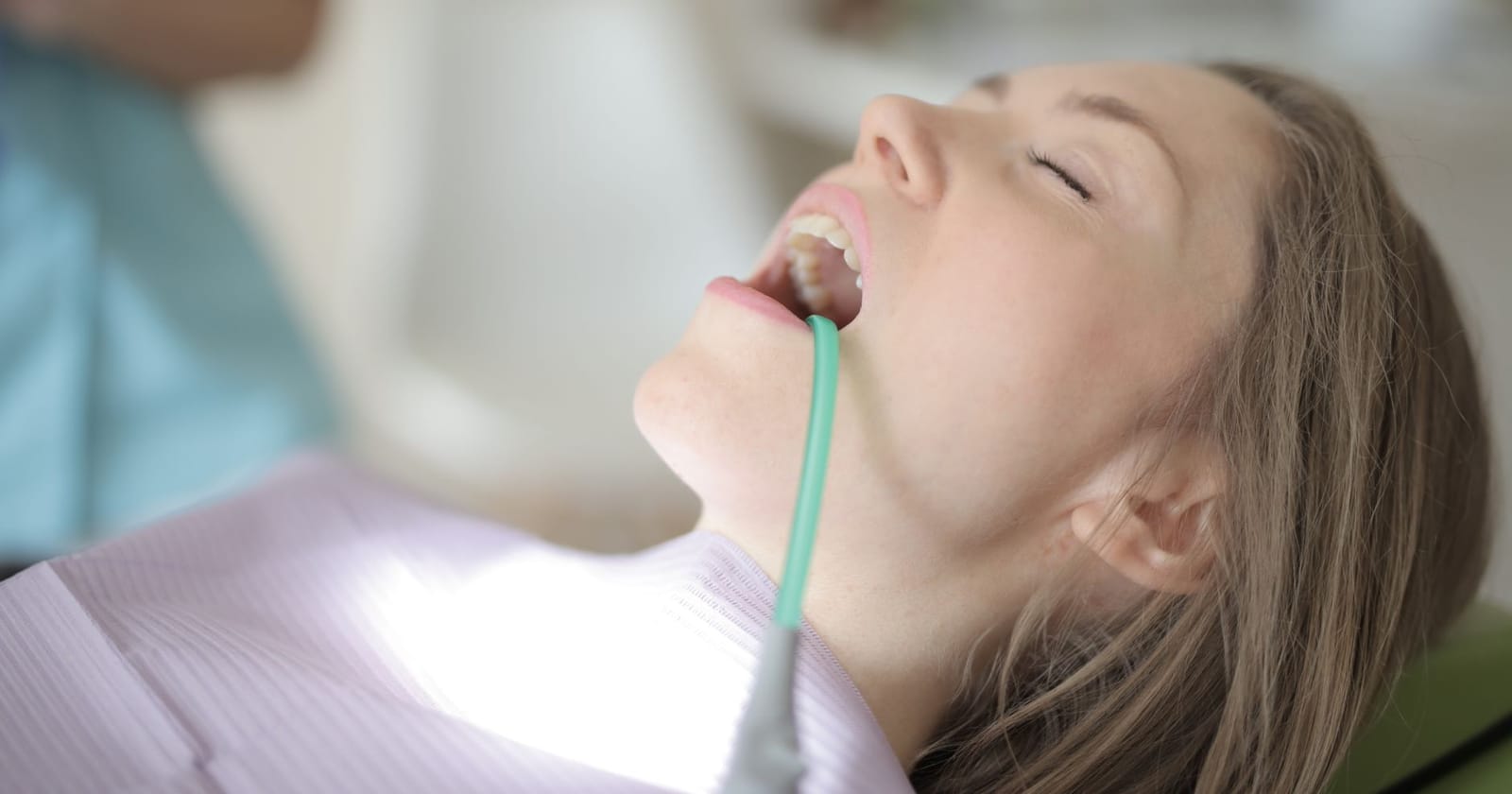
Full mouth dental implants are a permanent tooth-replacement solution that uses titanium posts surgically placed into the jawbone to support a full arch of prosthetic teeth. They restore complete upper or lower dentition with stability and function that traditional dentures cannot match. For adults who have lost most or all of their teeth, implants are the closest modern dentistry comes to natural teeth.
The process involves more than a single appointment. From the initial consultation and imaging through implant surgery, healing, and final prosthetic placement, the timeline typically runs three to nine months. That investment pays off in decades of reliable function, preserved jawbone, and a restoration that looks and feels like your own teeth.
This guide covers every stage: how full mouth implants work, which solution fits your situation, what candidacy looks like, what the procedure involves, realistic cost ranges, and what long-term care requires. If you are weighing your options or ready to take the next step, the information below will help you make a confident, informed decision.
This guide compares the options. To plan treatment and get a quote, see our full mouth dental implants service page or call our Mission Viejo office.
Definition Full mouth dental implants replace an entire arch of teeth using titanium posts anchored in the jawbone. Each post fuses with bone through osseointegration, creating a stable foundation for a fixed or removable prosthetic arch. The result is a complete set of upper or lower teeth that functions like natural dentition and prevents the bone loss that follows tooth extraction.
What Are Full Mouth Dental Implants?
Full mouth dental implants use titanium posts placed surgically into the jawbone to anchor a full prosthetic arch. They replace every tooth in the upper jaw, lower jaw, or both. Unlike dentures, they are fixed in place, preserve bone, and restore full chewing function without adhesives or removal.
The system has three components working together: the implant post, the abutment, and the prosthetic arch.
Implant post: A small titanium screw placed directly into the jawbone. Over three to six months, bone grows around it in a process called osseointegration, locking it permanently in place.
Abutment: A connector piece that attaches to the top of the post and holds the prosthetic arch securely.
Prosthetic arch: The visible set of teeth, typically made from zirconia or acrylic on a titanium frame, custom-shaped and shaded to match your face and preferences.
Compared to traditional dentures, implants do not slip, do not require adhesive, and actively stimulate the jawbone to prevent the bone resorption that causes the sunken facial appearance common in long-term denture wearers. Compared to a bridge, a full arch implant solution does not depend on neighboring teeth for support.
| Feature | Full Mouth Implants | Dentures | Implant-Supported Bridge |
|---|---|---|---|
| Bone preservation | Yes | No | Partial |
| Fixed in place | Yes | No | Yes |
| Requires healthy adjacent teeth | No | No | Sometimes |
| Lifespan (prosthetic) | 10-20 years | 5-10 years | 10-15 years |
| Feels like natural teeth | Yes | No | Close |
Types of Full Mouth Dental Implant Solutions
These fixed and removable options are often grouped under the umbrella term All-on-X, which covers full-arch designs using four, five, or six implants per arch. The right number depends on your bone volume and bite force.
All-on-4: Four implants per arch support a fixed prosthetic. The two rear posts are angled to maximize contact with available bone, which often eliminates the need for bone grafting. This is the most common full arch solution and typically costs $25,000 to $35,000 per arch.
All-on-6: Six implants per arch distribute load more evenly and suit patients with stronger bone density or heavier bite forces. The additional posts add stability and may extend prosthetic lifespan.
Implant-supported dentures: A removable arch that snaps onto two to four implants. Lower cost than fixed options, but the arch is removed nightly for cleaning. A practical choice for patients who prefer removable convenience with implant stability.
Zygomatic implants: For patients with severe upper jaw bone loss, zygomatic implants anchor into the cheekbone (zygoma) rather than the jaw. They bypass the need for extensive bone grafting and can support a full upper arch in a single procedure.
Who Is a Candidate for Full Mouth Dental Implants?
Good candidates are adults with most or all teeth missing or failing, adequate jawbone density, healthy gum tissue, and no uncontrolled systemic conditions. Patients with bone loss may still qualify after bone grafting. A 3D cone-beam CT scan during consultation determines whether your jaw can support implants.
Ideal criteria: Adults in good general health, non-smokers or willing to quit before surgery, with sufficient bone volume and gum tissue free of active infection.
Bone grafting: When bone density is insufficient, a graft rebuilds the jaw before implant placement. This adds three to six months to the timeline but makes implants possible for many patients who would otherwise be excluded. All-on-4 and zygomatic designs reduce or eliminate grafting needs by using angled placement or alternative anchor sites.
Medical conditions: Uncontrolled diabetes slows healing and raises infection risk. Active cancer treatment, autoimmune disorders, and long-term bisphosphonate use (for osteoporosis) require careful evaluation. These conditions do not automatically disqualify a patient, but they require coordination between your implant surgeon and your primary care physician before proceeding.
What Does the Full Mouth Dental Implant Procedure Involve?
The full mouth implant process runs three to nine months from consultation to final restoration. Surgery itself takes one to several hours per arch. The longest phase is osseointegration, the three-to-six-month period during which bone fuses to the titanium posts before the permanent prosthetic arch is attached.
Consultation and imaging: A cone-beam CT scan produces a 3D map of your jaw, revealing bone density, nerve locations, and sinus proximity. This data drives the surgical plan and implant positioning.
Extractions and site preparation: Any remaining failing teeth are removed. If bone grafting is needed, it is performed at this stage and allowed to heal before implant placement.
Implant placement: Under local anesthesia with sedation options, the surgeon places titanium posts at precisely planned positions. Most patients receive a temporary prosthetic the same day so they leave with functional teeth.
Osseointegration: Over three to six months, bone grows around each post. This phase requires no surgery. Patients wear the temporary arch and follow dietary guidelines.
Final prosthetic: Once osseointegration is confirmed, the permanent zirconia or acrylic arch is attached and adjusted for bite alignment. This appointment completes the restoration.
How Much Do Full Mouth Dental Implants Cost?
Full mouth dental implants typically cost $20,000 to $50,000 per arch in the United States. All-on-4 solutions commonly range from $25,000 to $35,000 per arch including the prosthetic. Total cost depends on implant type, number of posts, bone grafting, anesthesia, and the provider’s location and experience.
What drives the price: Bone grafting adds $2,000 to $10,000 per site. Zirconia prosthetics cost more than acrylic but last longer. Sedation, imaging, and temporary prosthetics are often bundled into the quoted fee, but confirm this with your provider before signing.
Insurance: Most dental insurance plans classify implants as cosmetic and provide limited or no coverage. Some plans cover extractions, bone grafting, or the prosthetic crown portion. Medical insurance occasionally covers implants when tooth loss results from an accident or disease. Always request a pre-authorization letter before treatment.
Financing: Many oral surgery practices offer in-house payment plans or work with third-party lenders such as CareCredit or Lending Club. Monthly payments on a $30,000 treatment over 60 months at a typical promotional rate can bring the cost to a manageable figure. Ask your provider for a written breakdown of all fees before committing.
Recovery, Aftercare, and Long-Term Maintenance
First week: Expect swelling, mild bruising, and soreness for three to five days. Ice packs, prescribed pain medication, and rest manage discomfort effectively. Most patients return to desk work within two to three days.
Diet and activity: Stick to soft foods (yogurt, scrambled eggs, mashed vegetables) for six to eight weeks. Avoid hard, crunchy, or sticky foods during osseointegration. Skip strenuous exercise for the first week to reduce bleeding risk.
Long-term hygiene: Brush twice daily with a soft-bristle brush. Use a water flosser or interdental brushes to clean under the prosthetic arch where a standard floss thread cannot reach. Schedule professional cleanings every six months. Your hygienist will use instruments safe for implant surfaces.
Lifespan: The titanium posts can last a lifetime with proper care. The prosthetic arch typically needs replacement after 10 to 20 years, depending on material and wear. Patients who grind their teeth should wear a night guard to protect the prosthetic.
Why Choose Laguna Surgical for Full Mouth Dental Implants?
Laguna Surgical provides full mouth dental implants through board-certified oral and maxillofacial surgeons with advanced implant training. The practice uses cone-beam CT imaging for precise surgical planning and offers All-on-4, All-on-6, implant-supported dentures, and zygomatic implant options under one roof in Mission Viejo, California.
The surgical team at Laguna Surgical has placed hundreds of full arch restorations and works closely with restorative dentists to coordinate every phase from extraction through final prosthetic delivery. In-house 3D imaging means your surgical plan is built on accurate, same-day data rather than estimates.
The consultation process is straightforward. You meet with a surgeon, review your CT scan together, discuss which implant solution fits your anatomy and goals, and receive a written treatment plan with itemized costs before any commitment is made. There are no high-pressure sales tactics.
Laguna Surgical serves patients throughout Orange County, including Mission Viejo, Aliso Viejo, and surrounding communities. If you are ready to explore full mouth dental implants, call the office or request a consultation online to schedule your evaluation.
Full mouth dental implants offer a durable, functional solution for adults who have lost most or all of their teeth. The process takes months, not days, but the result is a fixed restoration that preserves bone, restores full chewing ability, and requires no adhesives or nightly removal. Costs vary widely based on your anatomy, the implant system chosen, and your provider, so a detailed consultation with itemized pricing is the right first step. Laguna Surgical’s team in Mission Viejo is available to evaluate your case, review your imaging, and outline a treatment plan built around your specific needs. Call the office or request a consultation online to get started.
Frequently Asked Questions
What is the difference between All-on-4 and full mouth dental implants?
All-on-4 is a specific type of full mouth dental implant technique that uses just four strategically angled implant posts to support a complete arch of teeth. 'Full mouth dental implants' is a broader term that includes All-on-4, All-on-6, and other implant-supported full-arch solutions.
Does getting full mouth dental implants hurt?
The procedure is performed under local anesthesia or sedation, so patients feel little to no pain during surgery. Post-operative soreness, swelling, and mild discomfort are normal for the first few days and are typically managed with prescribed or over-the-counter pain medication.
Can I eat normally with full mouth dental implants?
Yes. Once fully healed, full mouth dental implants function like natural teeth, allowing you to eat most foods comfortably. During the healing phase, a soft-food diet is recommended. Long-term, patients should avoid extremely hard foods that could damage the prosthetic arch.
Do I need a bone graft before getting full mouth dental implants?
Not always. Patients with adequate jawbone density can proceed directly to implant placement. However, those with significant bone loss, often caused by long-term tooth loss or gum disease, may require a bone graft procedure first to create a stable foundation for the implants.
Does dental insurance cover full mouth dental implants?
Most standard dental insurance plans provide limited or no coverage for full mouth dental implants, as they are often classified as cosmetic or elective. Some plans cover portions of the procedure such as extractions or crowns. Financing plans and dental savings programs can help offset costs.
How do I care for full mouth dental implants long-term?
Care for full mouth dental implants includes brushing twice daily with a soft-bristle toothbrush, using a water flosser or interdental brushes, avoiding tobacco, and attending regular dental check-ups every six months. Proper maintenance significantly extends the lifespan of both the implants and the prosthetic arch.
Have questions about your care?
Our oral & maxillofacial team serves Mission Viejo and Covina.
Request an Appointment