
What Is a Dental Bone Graft? A Clear Patient Guide
By Dr. Arthur Johnson, DDS, MD · · 7 min read
Medically reviewed by Dr. Arthur Johnson, DDS, MD
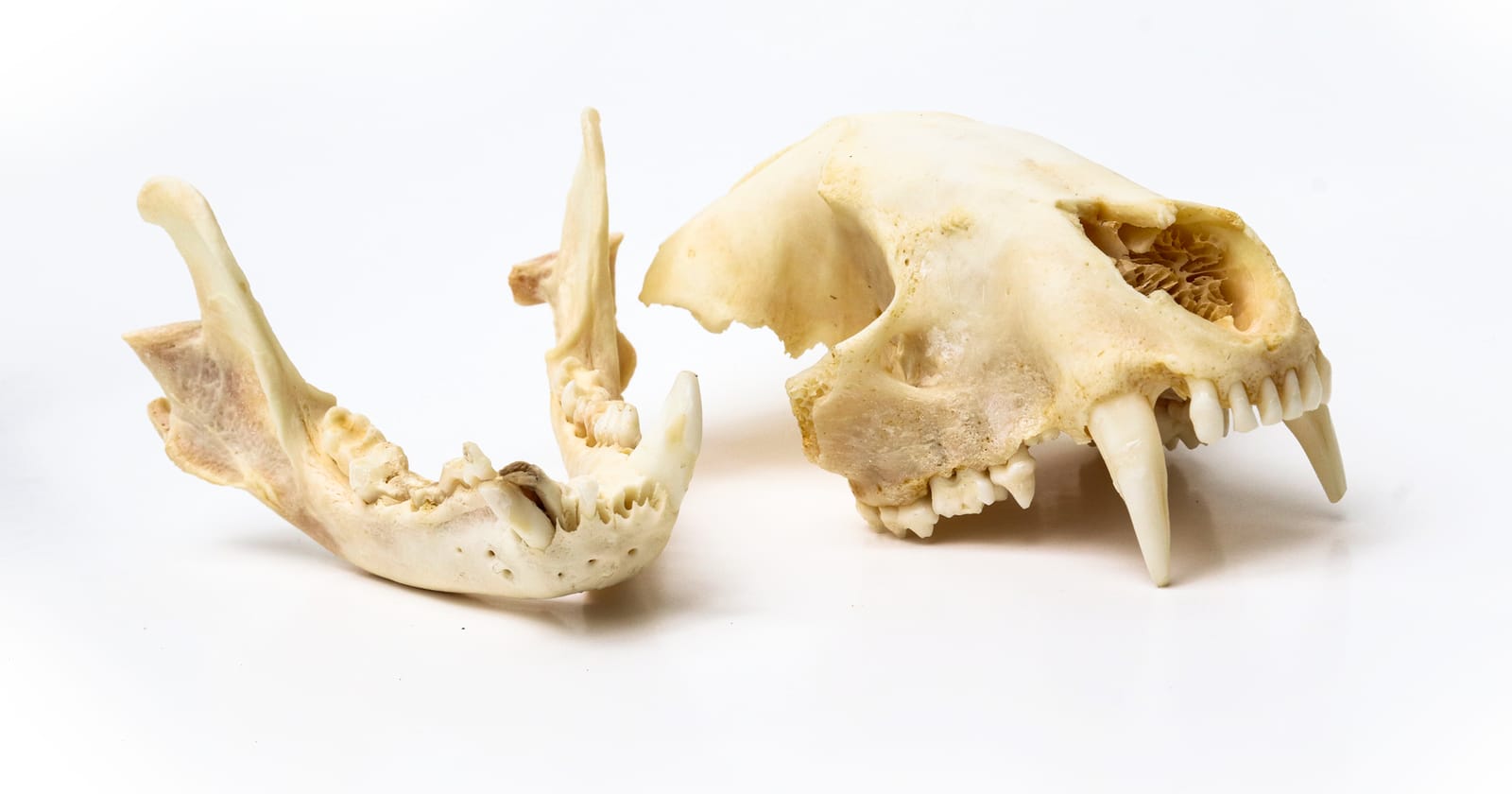
A dental bone graft is a surgical procedure that adds bone or bone-like material to a deficient area of the jaw. It rebuilds lost bone volume, supports surrounding teeth, and creates a stable foundation for dental implants. The graft material gradually integrates with the patient’s natural bone over several months, restoring the jaw’s structure and function.
Bone loss in the jaw is more common than most people realize. It can follow a tooth extraction, gum disease, or a long period of wearing dentures. Once bone volume drops below a certain threshold, placing a dental implant becomes difficult or impossible without first rebuilding the site. A bone graft addresses that deficit before it becomes a larger problem.
This guide explains how dental bone grafts work, what materials are used, what the procedure involves, and what recovery looks like. If you are considering a dental implant or have recently had a tooth removed, understanding bone grafting will help you ask the right questions and make a confident decision about your care.
Definition A dental bone graft is a minor surgical procedure in which bone material is placed into an area of the jaw where natural bone has been lost or is insufficient. The material acts as a scaffold, stimulating the body to grow new bone cells into the space. Over three to six months, the graft fuses with the existing jawbone, restoring density and volume.
What Is a Dental Bone Graft?
A dental bone graft is a surgical procedure that places bone or bone-substitute material into a deficient area of the jaw. It rebuilds lost bone volume, supports neighboring teeth, and creates a stable base for dental implants. The graft material integrates with the patient’s existing bone over several months.
The jaw depends on tooth roots for stimulation. Every time you bite or chew, forces travel through the root into the surrounding bone, signaling the body to maintain bone density in that area. When a tooth is lost, that stimulation stops and the bone begins to resorb, shrinking in both height and width.
A bone graft interrupts that process. The graft material fills the void, gives the body a scaffold to build on, and preserves the jaw’s shape until a dental implant can be placed. Without adequate bone, an implant has nothing solid to anchor into.
Why Would You Need a Dental Bone Graft?
You need a dental bone graft when the jawbone lacks the volume or density to support a dental implant or to maintain the structure around existing teeth. The most common trigger is tooth loss, but gum disease, trauma, and long-term denture wear can all cause the bone loss that makes grafting necessary.
At our practice, we recommend a bone graft after virtually every tooth extraction, with the exception of routine wisdom tooth removals. Even for impacted wisdom teeth, we recommend grafting when the impacted tooth sits close to the second molar, because bone loss in that area can compromise a tooth you want to keep.
The reasoning is straightforward: placing a graft at the time of extraction costs less, heals faster, and prevents the more significant bone loss that would otherwise require a larger graft later. Waiting until you are ready for an implant and then discovering the bone has resorbed significantly means a longer treatment timeline and higher cost.
After a Tooth Extraction
After a tooth is removed, the socket walls begin to collapse within the first few weeks. Studies show the jaw can lose up to 25 percent of its width in the first year after extraction. A socket preservation graft, placed at the time of removal, fills the socket with graft material and is covered with a membrane. This holds the socket’s shape while new bone forms.
The procedure adds only a few minutes to the extraction appointment. Recovery is similar to a standard extraction. The investment is small compared to the alternative: a larger, more complex grafting procedure months or years later when you decide you want an implant.
What Types of Bone Graft Material Are Used?
Dental bone grafts use four main material types: autograft (the patient’s own bone), allograft (donor human bone), xenograft (animal-derived, usually bovine bone), and alloplast (synthetic bone substitute). The choice depends on the size of the defect, the patient’s health, and the surgeon’s clinical judgment.
Each material has a different profile of availability, handling, and biological behavior.
- Autograft: Harvested from the patient’s own body, often the chin or jaw. Considered the gold standard because it contains living cells, but it requires a second surgical site.
- Allograft: Processed bone from a human donor, sterilized and prepared by a tissue bank. Widely used because it eliminates a second harvest site while still providing good integration.
- Xenograft: Derived from bovine (cow) bone, processed to remove all organic material. The mineral scaffold integrates well and resorbs slowly, giving the body time to replace it with natural bone.
- Alloplast: Fully synthetic materials such as hydroxyapatite or calcium phosphate. No donor source is needed, and the material is highly consistent in quality.
How Does the Dental Bone Graft Procedure Work?
A dental bone graft is performed under local anesthesia, often with sedation available for anxious patients. The surgeon opens the gum tissue to expose the deficient bone, places the graft material, covers it with a membrane to protect the site, and closes the tissue with sutures. Most appointments take 45 to 90 minutes.
The steps follow a consistent sequence regardless of graft type:
- The area is numbed with local anesthetic. Sedation is available if needed.
- A small incision opens the gum to expose the bone.
- The site is cleaned and prepared.
- Graft material is packed into the defect.
- A collagen membrane is placed over the graft to keep soft tissue from growing into the space before bone can form.
- The gum is sutured closed.
Most patients go home the same day. Prescription pain medication and antibiotics are typically provided. Swelling peaks around day two or three and resolves within one to two weeks for most people.
How Long Does Healing Take?
A dental bone graft typically takes three to six months to heal fully. During this time, the graft material fuses with the existing jawbone through a process called osseointegration. Minor swelling and discomfort usually resolve within one to two weeks after the procedure.
The visible recovery, meaning swelling, tenderness, and any bruising, clears up within the first two weeks. The deeper biological process takes much longer. New bone cells must grow into the graft scaffold, mature, and reach sufficient density to support an implant. That process takes three to six months depending on the size of the graft and the patient’s overall health.
Your surgeon will confirm readiness with a clinical exam and imaging before scheduling implant placement. Trying to place an implant before the graft has fully matured risks implant failure, so the timeline is not arbitrary.
How Much Does a Dental Bone Graft Cost?
A dental bone graft typically costs between $300 and $3,000 depending on the size of the graft, the material used, and the complexity of the case. A simple socket preservation graft sits at the lower end of that range. Larger grafts for significant bone defects cost more and may require additional imaging and follow-up.
Insurance coverage varies. Some medical and dental plans cover bone grafting when it is deemed medically necessary, particularly after trauma or disease. Socket preservation grafts placed at the time of extraction are sometimes covered under the extraction benefit. It is worth requesting a pre-authorization from your insurer before the procedure.
The cost of skipping a graft at extraction time is often higher in the long run. Significant bone loss may require a sinus lift or block graft later, both of which are more involved procedures with higher fees. A socket preservation graft at extraction is the most cost-effective way to protect the site.
A dental bone graft is a well-established procedure with a strong track record of supporting successful implant outcomes. Whether you need a simple socket preservation graft at the time of an extraction or a more involved reconstruction, the goal is the same: give your jaw the volume and density it needs to support a long-term solution. If you have questions about whether a bone graft is right for your situation, our team can review your imaging and walk you through the options specific to your case.
Frequently Asked Questions
Is a dental bone graft always necessary before an implant?
Not always, but it is required whenever the jawbone lacks sufficient volume or density to anchor an implant securely. A cone-beam CT scan helps the surgeon assess bone levels and determine whether a graft is needed before placing a dental implant.
Do you always need a bone graft after a tooth extraction?
At our practice, we recommend a bone graft after virtually every tooth extraction, except routine wisdom tooth removals. For impacted wisdom teeth located near the second molar, we may still recommend a graft to protect the adjacent bone. Placing the graft at the time of extraction is the most effective way to prevent jaw shrinkage.
How painful is a dental bone graft?
The procedure itself is performed under local anaesthesia, so patients feel little to no pain during surgery. Post-operative discomfort is typically mild to moderate and managed with prescribed or over-the-counter pain relief. Most patients return to normal daily activities within a few days.
What are the signs that a dental bone graft has failed?
Warning signs of graft failure include persistent or worsening pain beyond the first week, swelling that does not subside, visible graft material falling out of the socket, foul odour, or fever. Contact your dental specialist promptly if you experience any of these symptoms.
How much does a dental bone graft cost?
The cost of a dental bone graft varies depending on the size of the area being treated, the type of graft material used, and the complexity of the case. Costs can range from a few hundred to several thousand dollars. Your specialist will provide a detailed treatment plan and discuss financing options at your consultation.
Can a dental bone graft be done at the same time as a tooth extraction?
Yes. Placing a bone graft immediately after extraction, known as a socket preservation graft, is a common and efficient approach. It minimises the total number of procedures, reduces overall healing time, and helps maintain the jaw's natural contour for a better implant outcome.
Have questions about your care?
Our oral & maxillofacial team serves Mission Viejo and Covina.
Request an Appointment