
Restorative
Dental Implants for Missing Teeth: Complete Guide
By Dr. Arthur Johnson, DDS, MD · · 9 min read
Medically reviewed by Dr. Arthur Johnson, DDS, MD
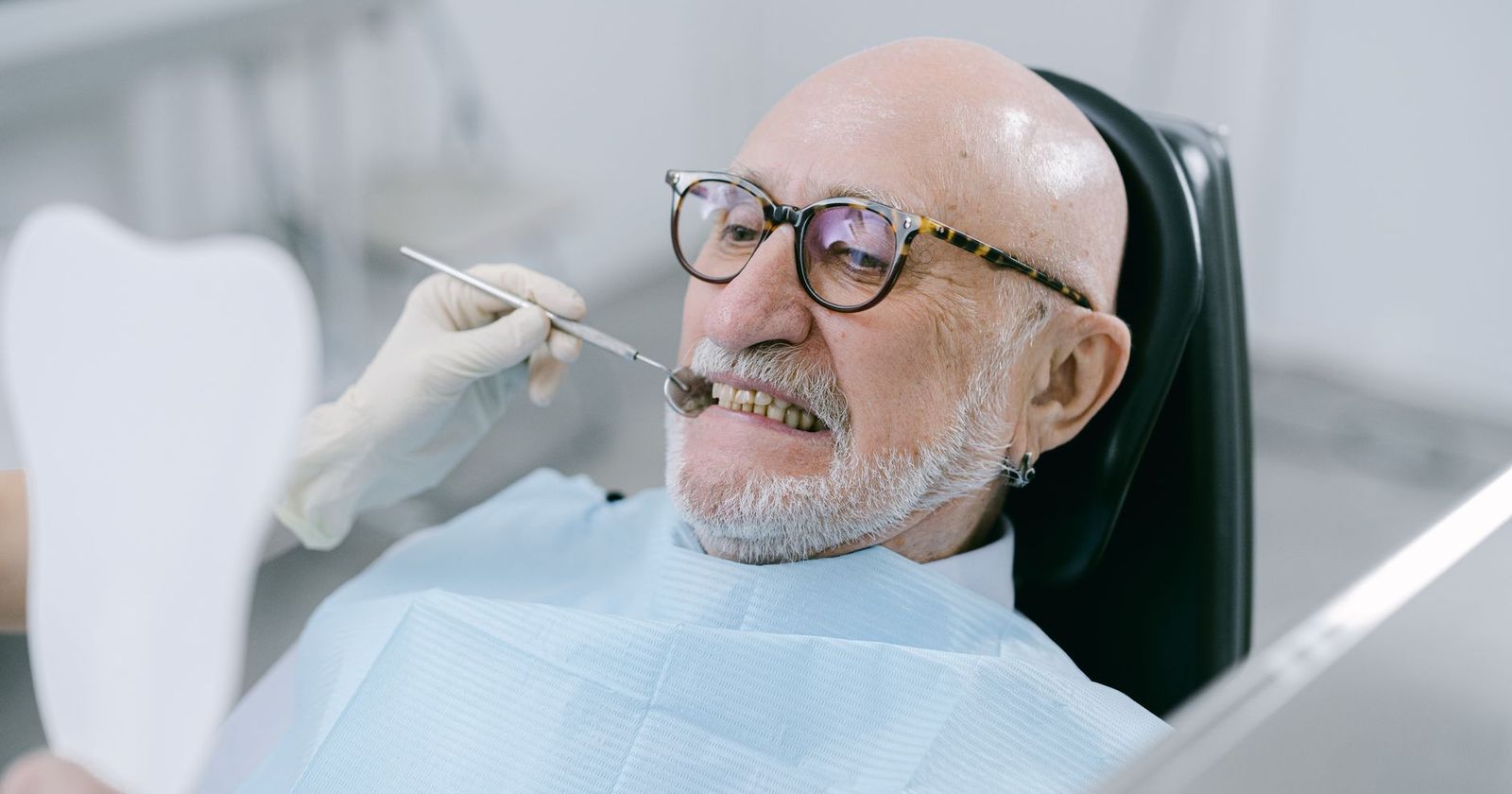
Dental implants for missing teeth are titanium posts placed surgically into the jawbone to replace missing tooth roots. A crown attaches on top, creating a permanent, natural-looking replacement. They restore chewing function, prevent bone loss, and are widely regarded as the gold standard for replacing one or more missing teeth.
Losing a tooth affects more than appearance. The jawbone beneath a missing tooth begins to shrink within months because it no longer receives the stimulation a root provides. That bone loss can shift neighboring teeth, change your bite, and alter the shape of your face over time. Dental implants are the only replacement option that addresses the root itself, not just the visible crown.
At Laguna Surgical, we treat patients who have lost a single tooth, several teeth, or a full arch. This guide covers candidacy, implant types, realistic costs for 2025 and 2026, and what the process looks like at our practice so you can make a confident, informed decision.
Definition Dental implants are small titanium posts placed into the jawbone during a minor surgical procedure. Over several months, the post fuses with the bone through a process called osseointegration. Once stable, a custom crown is secured on top. The result functions and looks like a natural tooth, and the implant itself can last a lifetime with proper care.
What Are Dental Implants for Missing Teeth?
Dental implants are titanium posts surgically placed into the jawbone to replace missing tooth roots. A crown is attached on top, creating a permanent, natural-looking tooth replacement. They restore chewing function, prevent bone loss, and are considered the gold standard for replacing one or more missing teeth.
The titanium post acts as an artificial root. Titanium is the same biocompatible material used in orthopedic procedures such as total knee replacements. At our practice, we are often asked whether titanium is safe. It is. The body rarely rejects it, and it integrates reliably with bone, which is exactly why it has become the preferred implant material worldwide.
Once osseointegration is complete, a small connector piece called an abutment is placed, and a porcelain crown is secured on top. The crown typically lasts 10-20 years before normal wear may require replacement. The post beneath it, however, can last a lifetime.
Who Is a Good Candidate for Dental Implants?
Most healthy adults with one or more missing teeth are candidates for dental implants. Key requirements are adequate jawbone density to support the post, healthy gums, and no uncontrolled systemic conditions such as unmanaged diabetes. A thorough exam and imaging at our practice will confirm whether implants are appropriate for you.
Good candidates are non-smokers or willing to quit during healing, have no active gum disease, and are committed to routine oral hygiene. Age is rarely a barrier once jaw growth is complete, typically in the late teens.
Smoking significantly slows healing and raises the risk of implant failure. Patients with controlled diabetes, heart conditions, or autoimmune disorders can often still receive implants, but we review each case individually before proceeding.
Why Bone Grafting May Be Needed First
When a tooth is extracted, the surrounding bone begins to resorb quickly. See our guide to bone graft for dental implants for detail. At our practice, we recommend a bone graft at the time of every extraction, with the exception of most wisdom teeth. For impacted wisdom teeth located near the second molar, we may recommend grafting as well, depending on the case. Grafting preserves the site so an implant can be placed later without complications. If bone loss has already occurred, a graft can rebuild the area, though it adds healing time before implant placement.
Types of Dental Implants: Single, Multiple, and All-on-X
Single-tooth implants replace one missing tooth with one post and one crown. This is the most common implant procedure and leaves adjacent teeth completely untouched.
Multiple implants replace several missing teeth individually. Each post supports its own crown, giving each replacement tooth independent support and making hygiene straightforward.
All-on-X is the current term for what was previously called All-on-4, All-on-5, or All-on-6. The X refers to the number of implants used to support a full arch of teeth. Rather than placing an implant for every missing tooth, four to six strategically angled posts support an entire upper or lower arch. This approach works well for patients who have lost most or all of their teeth and want a fixed, non-removable solution. The exact number of posts depends on bone volume and the specific arch being restored.
How Much Do Dental Implants Cost in 2025-2026?
A single dental implant in the United States typically costs between $3,000 and $5,000 in 2025-2026, including the post, abutment, and crown. Full-arch All-on-X procedures range from $20,000 to $40,000 per arch. Costs vary based on bone grafting needs, the number of implants, and geographic location.
These figures reflect the complete procedure, not just the implant post. Bone grafting, if needed, adds $500-$3,000 depending on the extent of the graft. Sedation, imaging, and any preparatory extractions are additional line items that vary by case.
Dental insurance rarely covers implants fully, though some plans contribute toward the crown portion. Flexible spending accounts and health savings accounts can be applied. At Laguna Surgical, we review financing options with patients during the consultation so cost does not become an unexpected barrier.
The upfront cost of an implant is higher than a bridge or denture, but implants typically require less maintenance and fewer replacements over a lifetime, making them cost-competitive over a 20-year horizon.
Dental Implants vs. Other Tooth Replacement Options
At our practice, we prefer implants over bridges for most patients because implants replace the root, preserve bone, and require no alteration of healthy adjacent teeth. A bridge is a reasonable alternative when implants are not possible, but it does not stop bone loss beneath the gap and requires grinding down the neighboring teeth to serve as anchors.
Removable dentures are the most affordable option upfront but come with fit issues over time as the jawbone continues to shrink. All-on-X implant-supported arches solve this by anchoring the prosthesis directly to the bone.
| Option | Replaces Root | Preserves Bone | Alters Adjacent Teeth | Typical Lifespan |
|---|---|---|---|---|
| Dental Implant | Yes | Yes | No | Post: lifetime; Crown: 10-20 years |
| Fixed Bridge | No | No | Yes (crowns required) | 10-15 years |
| Removable Partial Denture | No | No | Minimal | 5-10 years |
| Full Denture | No | No | No | 5-10 years (relining needed) |
| All-on-X | Partial (4-6 posts) | Yes | No | 10-20+ years |
What to Expect at Our Practice
At Laguna Surgical, the implant process begins with a consultation that includes 3D imaging to assess bone volume and plan placement precisely. Most patients complete the process in two to four appointments over three to six months, depending on whether bone grafting is required.
Consultation and imaging: We review your medical history, take cone-beam CT scans, and discuss your goals. If a bone graft is needed, we plan that first.
Implant placement: The procedure is performed under local anesthesia. Sedation is available for patients who prefer it, and we discuss sedation options at the consultation. Most patients report less discomfort than they anticipated, with mild soreness for 3-7 days after surgery.
Healing period: Osseointegration takes three to six months. During this time, a temporary restoration may be placed so you are not without a tooth.
Crown placement: Once the post is stable, we attach the abutment and fit the final crown. From that point, care is simple: brush, floss, and keep your regular hygiene appointments.
Dental implants offer a permanent solution for missing teeth that no other replacement option fully matches. They preserve bone, function like natural teeth, and with proper care, the implant post can last a lifetime. If you are missing one tooth or an entire arch, the first step is a consultation with imaging so we can assess your bone, discuss your options, and give you an accurate treatment plan. Contact Laguna Surgical to schedule your appointment.
Frequently Asked Questions
Dental Implant Cost in the USA: 2025-2026 Guide?
A single implant (post, abutment, and crown) costs $3,000-$5,000 in most U.S. markets in 2025-2026. Full-arch All-on-X procedures range from $20,000 to $40,000 per arch. Bone grafting, sedation, and imaging are billed separately and vary by case. Most dental insurance plans do not cover the implant post but may contribute toward the crown.
How Much Do Dental Implants Cost in 2026?
Costs in 2026 are expected to remain in the $3,000-$5,000 range for a single implant and $20,000-$40,000 per arch for All-on-X. Prices vary by region, the complexity of the case, and whether preparatory procedures such as bone grafting are required. A consultation with imaging gives you an accurate estimate for your specific situation.
Do I need a bone graft before getting a dental implant?
Not always, but often. At our practice, we recommend a bone graft at the time of every tooth extraction, except most wisdom teeth, to preserve the site for a future implant. If you had a tooth removed in the past without a graft, some bone loss may have occurred and a graft may be needed before implant placement. We assess this with 3D imaging at your consultation.
What is All-on-X and how is it different from traditional implants?
All-on-X is the current term for full-arch implant restorations previously called All-on-4, All-on-5, or All-on-6. Instead of placing one implant per missing tooth, four to six strategically placed posts support an entire arch of fixed teeth. It is designed for patients who have lost most or all of their teeth and want a permanent, non-removable solution rather than a denture.
Can I be sedated during dental implant surgery?
Yes. At Laguna Surgical, sedation is available for implant procedures. We discuss sedation options during your consultation and tailor the approach to your comfort level and medical history. Most patients find that local anesthesia alone is sufficient, but sedation is a straightforward option for those who prefer it.
How do I know if I am a candidate for dental implants?
The best way to confirm candidacy is a consultation that includes 3D imaging. General indicators of good candidacy include adequate jawbone density, healthy gums, no uncontrolled systemic conditions, and a commitment to oral hygiene. Patients who smoke, have controlled diabetes, or have experienced significant bone loss may still qualify after a thorough evaluation.
Related
Frequently Asked Questions
Dental Implant Cost in the USA: 2025-2026 Guide?
A single implant (post, abutment, and crown) costs $3,000-$5,000 in most U.S. markets in 2025-2026. Full-arch All-on-X procedures range from $20,000 to $40,000 per arch. Bone grafting, sedation, and imaging are billed separately and vary by case. Most dental insurance plans do not cover the implant post but may contribute toward the crown.
How Much Do Dental Implants Cost in 2026?
Costs in 2026 are expected to remain in the $3,000-$5,000 range for a single implant and $20,000-$40,000 per arch for All-on-X. Prices vary by region, the complexity of the case, and whether preparatory procedures such as bone grafting are required. A consultation with imaging gives you an accurate estimate for your specific situation.
Do I need a bone graft before getting a dental implant?
Not always, but often. At our practice, we recommend a bone graft at the time of every tooth extraction, except most wisdom teeth, to preserve the site for a future implant. If you had a tooth removed in the past without a graft, some bone loss may have occurred and a graft may be needed before implant placement. We assess this with 3D imaging at your consultation.
What is All-on-X and how is it different from traditional implants?
All-on-X is the current term for full-arch implant restorations previously called All-on-4, All-on-5, or All-on-6. Instead of placing one implant per missing tooth, four to six strategically placed posts support an entire arch of fixed teeth. It is designed for patients who have lost most or all of their teeth and want a permanent, non-removable solution rather than a denture.
Can I be sedated during dental implant surgery?
Yes. At Laguna Surgical, sedation is available for implant procedures. We discuss sedation options during your consultation and tailor the approach to your comfort level and medical history. Most patients find that local anesthesia alone is sufficient, but sedation is a straightforward option for those who prefer it.
How do I know if I am a candidate for dental implants?
The best way to confirm candidacy is a consultation that includes 3D imaging. General indicators of good candidacy include adequate jawbone density, healthy gums, no uncontrolled systemic conditions, and a commitment to oral hygiene. Patients who smoke, have controlled diabetes, or have experienced significant bone loss may still qualify after a thorough evaluation.
Have questions about your care?
Our oral & maxillofacial team serves Mission Viejo and Covina.
Request an Appointment